If you live in Bay St. Louis, you already know the roof takes a beating. Sun. Humidity. Salt air. Storm season. Then more sun. On the MS Gulf Coast, a roof is not just a design choice sitting on top of your house—it is part of your home’s heat control system. That is exactly where the idea of cool roofing in Gulfport, MS, and across the coastal corridor starts to matter.
A cool roof is designed to reflect more sunlight and absorb less heat than a standard roof. Instead of soaking up solar energy all day and radiating that heat into your attic and living space, a cool roof sends more of it back away from the home. It works through two key properties: solar reflectance (the roof’s ability to reflect sunlight) and thermal emittance (its ability to release absorbed heat). The result is a roof surface that stays significantly cooler in the sun than a conventional dark roof.
The U.S. Department of Energy says conventional roofs can reach 150°F or more on a sunny afternoon, while cool roofs are specifically designed to reduce that heat gain. The Cool Roof Rating Council explains that cool roofs work by both reflecting solar energy and efficiently releasing heat, which helps reduce the amount of heat transferred into the building below. For homeowners in hot, humid coastal areas like Bay St. Louis, that can mean a cooler attic, less strain on the air conditioner, and better comfort during long Mississippi summers. It is one reason experienced roofers in Gulfport, MS, and Bay St. Louis are fielding more questions about cool roof options every year.
Why Cool Roofs Get Attention on the Gulf Coast
You probably do not want buzzwords. You want mechanism, tradeoffs, and results. Fair enough.
Here is the practical logic: your roof is the largest surface on your home exposed to direct sun. When that surface gets extremely hot, some of that heat moves downward into the attic. Once the attic gets hotter, your HVAC system has to work harder to maintain indoor comfort. A cool roof interrupts that cycle by reducing heat absorption at the top layer. That does not mean it replaces insulation or ventilation—it means it works alongside them.
In a place like Bay St. Louis, where cooling season is long and intense, that matters. The EPA says cool roofs can reduce heat transfer into buildings and, in air-conditioned residential buildings, can reduce peak cooling demand by 11% to 27%. That is a meaningful number for anyone weighing a roof replacement on the MS Gulf Coast, where energy bills spike hard from May through October.
Any qualified roofer in Bay St. Louis will tell you: the roofing material you choose is not just about curb appeal. It is about how your home performs under relentless coastal heat.
How a Cool Roof Actually Works
Think of a standard dark roof like a black cast-iron skillet left in the sun. It absorbs heat quickly and holds it. A cool roof behaves more like a lighter, more reflective surface that resists heating up in the first place.
There are two main performance traits behind that:
1. Solar Reflectance
This is how much sunlight the roofing surface reflects away instead of absorbing. Higher reflectance means less solar energy enters the roofing system. When roofers in Gulfport, MS, recommend cool roofing products, reflectance ratings are one of the first specs they evaluate.
2. Thermal Emittance
This is how effectively the roof releases whatever heat it does absorb. A roof with good thermal emittance does not hang on to heat as long.
Together, those two properties help keep the roof surface cooler, which lowers heat buildup in the roof assembly and beneath it. That is the whole principle. Not magic. Just building science—and it is the same science that drives cool roofing in Gulfport, MS, and across the MS Gulf Coast.
Does a Cool Roof Have to Be White?
No. That is one of the biggest misconceptions.
White roofs are often the most visually associated with cool roofing because white surfaces typically reflect more sunlight. But a cool roof does not have to be bright white to perform well. Many modern roofing products are available in lighter tones and specially engineered “cool colors” designed to reflect more solar radiation than traditional dark materials. The Department of Energy’s consumer guidance notes that cool roof products come in a range of materials and appearances for residential use.
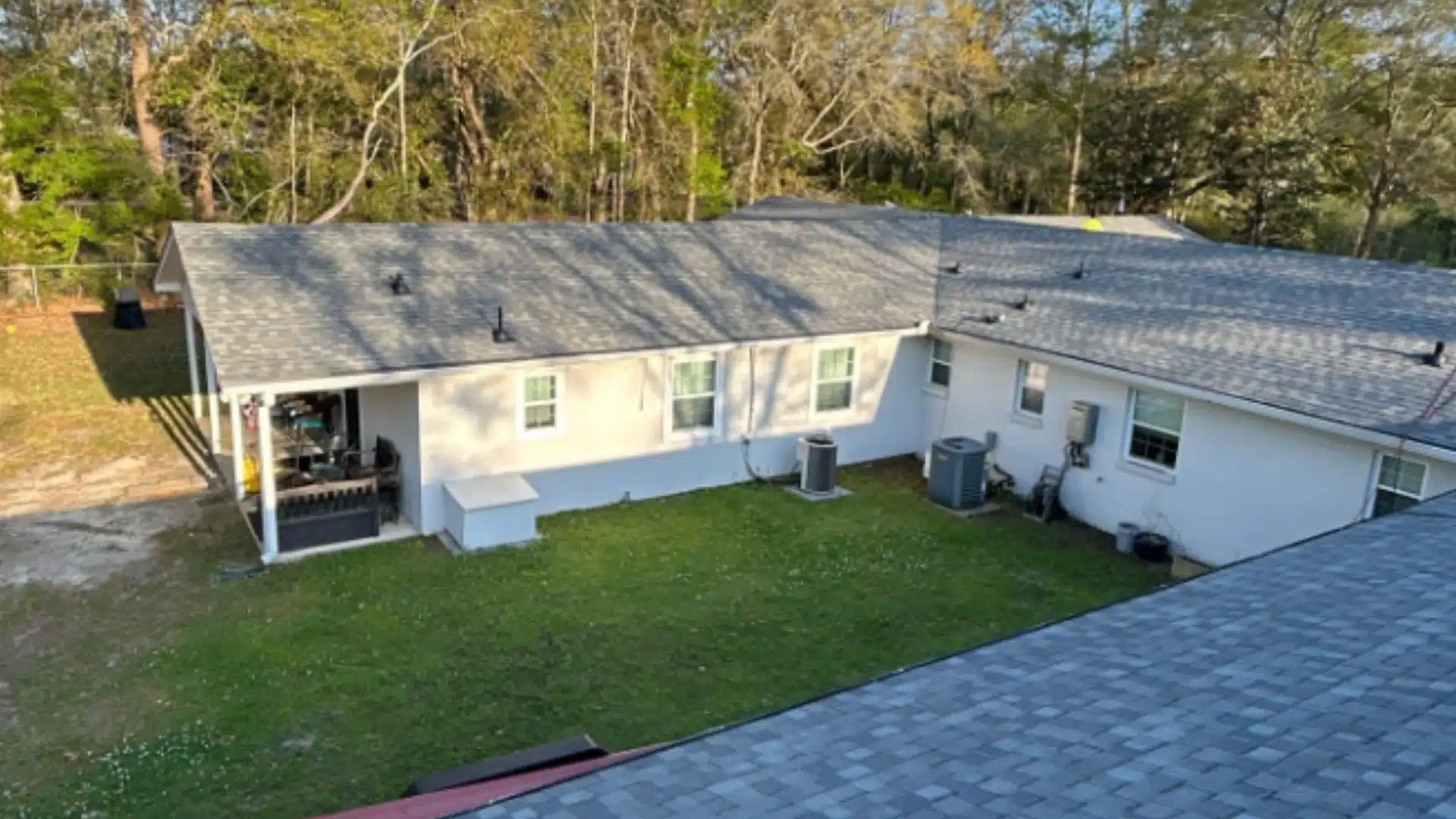
So if you are picturing a commercial white membrane roof and thinking, “That is not the look I want on my house,” you are not stuck there. Residential cool-roof options can include reflective shingles, metal roofing systems, tiles, and coatings—depending on the structure and design goals. A knowledgeable roofer in Bay St. Louis can walk you through which cool roofing options match your home’s style and your neighborhood’s aesthetic.
How Much Can a Cool Roof Save on Energy Bills?
This is the question homeowners really mean when they ask how it works.
A cool roof can lower cooling costs, but the exact amount depends on your home’s attic insulation, ventilation, roof color, roof material, shade coverage, HVAC efficiency, and how much your household runs the air conditioning. That is why no honest contractor should throw out one universal savings number.
What the research does show is directionally clear: cool roofs reduce roof temperatures and can lower cooling demand. The EPA reports that reflective roofing can reduce peak cooling demand in air-conditioned residential buildings by 11% to 27%, and the Department of Energy notes measured energy savings of up to 10% to 15% for some homes using cool roof coatings.
For Bay St. Louis homeowners considering a roof replacement on the MS Gulf Coast, the better way to think about it is this: a cool roof may not transform your utility bill overnight, but it can be part of a smarter overall roofing system that improves comfort and reduces unnecessary heat load during the hottest months of the year. Trusted roofers in Gulfport, MS, and the surrounding coast can help you model realistic expectations based on your specific home.
Is a Cool Roof Right for Every Home?
Not automatically.
A cool roof can be a strong option in hot climates, but roofing decisions on the Gulf Coast should always be made as a full-system decision. Roof color alone does not solve poor attic ventilation. Reflective materials do not fix bad flashing. And no roof product should be chosen without considering wind performance, installation quality, and local conditions.
That matters even more near the coast, where roofing systems deal with heat, moisture, salt exposure, and storm pressure. Whether you are exploring cool roofing in Gulfport, MS, or evaluating a full roof replacement on the MS Gulf Coast, the smartest approach is to evaluate the whole roof assembly—not just one selling point. A seasoned roofer in Bay St. Louis understands these layered coastal demands better than a generalist ever could.
The Real-World Takeaway
A cool roof works by reflecting more sunlight and releasing more absorbed heat, which helps the roof stay cooler and reduces heat transfer into the home. In a climate like Bay St. Louis, that can support lower cooling demand, better comfort, and a more efficient roofing system when paired with proper ventilation and installation.
In other words, a cool roof is not a gimmick. It is a performance strategy.
And on the Mississippi Gulf Coast, performance is not optional.
If you are in Bay St. Louis and trying to decide whether a cool roof makes sense for your home—or whether it is time for a full roof replacement on the MS Gulf Coast—Integrity Roofing can help you evaluate the full picture. Roof condition, attic ventilation, material options, and what actually fits your house and budget. As one of the most trusted roofers in Gulfport, MS, and the Bay St. Louis area, we give you clear answers and a roofing recommendation built for the Coast. No pressure. Just honest guidance from a roofer Bay St. Louis homeowners count on.
5 FAQ Q&A
1. Is a cool roof a good choice for homes on the Mississippi Gulf Coast?
Yes. A cool roof can be a strong choice for homes on the Mississippi Gulf Coast because it reflects more sunlight and absorbs less heat than traditional roofing materials. In hot, humid areas like Bay St. Louis, that can help reduce attic heat buildup and improve indoor comfort during long summer months. It works best when paired with proper ventilation and a well-installed roofing system.
2. Does a cool roof have to be white?
No. A cool roof does not have to be white. While white roofs are known for high reflectivity, many cool roofing products now come in different colors and styles, including shingles, metal panels, tiles, and coatings designed to reflect more solar energy than traditional darker materials.
3. How much can a cool roof lower energy costs?
Energy savings vary by home, but cool roofs can help reduce cooling demand by limiting how much heat enters the home through the roof. Savings depend on factors like insulation, attic ventilation, HVAC efficiency, roof material, and shade. The biggest value often comes from improved comfort and reduced heat load during peak summer temperatures.
4. Will a cool roof replace the need for attic ventilation or insulation?
No. A cool roof is not a replacement for proper attic ventilation or insulation. It is one part of a complete roofing system. On the Gulf Coast, the best-performing roofs use a combination of reflective materials, proper airflow, solid decking, and quality installation methods.
5. What types of roofing materials can be used for a cool roof?
Cool roof systems can include reflective shingles, metal roofing, tiles, low-slope membranes, and roof coatings. The right option depends on the slope of the roof, the home’s design, the local climate, and performance goals.