A Gulf Coast Homeowner’s Guide to a Small Component That Protects the Entire Roofing System
Some roofing components are obvious.
Shingles protect the surface. Flashing protects transitions. Ventilation manages airflow.
But some of the most important parts of a roofing system are the ones homeowners rarely notice — and drip edge is at the top of that list.
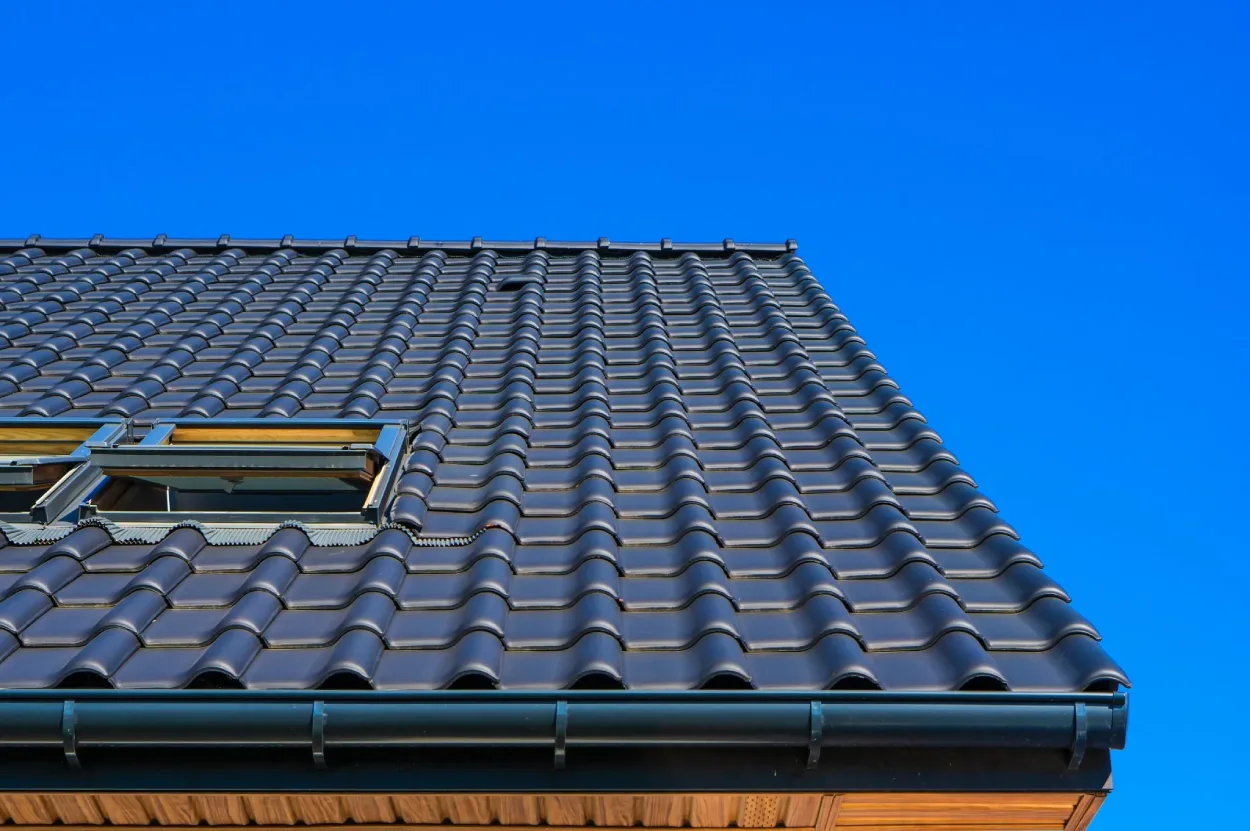
It’s a narrow piece of metal installed along the edges of a roof. And while it may seem minor compared to shingles or decking, drip edge quietly protects several critical areas of your home: the fascia, roof decking, and even the foundation perimeter.
For any experienced roofer in Gulfport, MS, drip edge isn’t an afterthought — it’s a non-negotiable part of every installation. Along the Mississippi Gulf Coast, where homes in Gulfport endure heavy rain, relentless humidity, and wind-driven storms, drip edge becomes even more essential. Without it, water doesn’t simply “run off” the roof. It curls backward, seeps under shingles, and slowly degrades structural components most homeowners never see until the damage is already done.
Understanding what drip edge does helps homeowners see roofing as a complete engineered system — not just a layer of shingles.
What Does Drip Edge Do on a Roof?
A drip edge is a metal flashing installed along the edges of a roof that directs water away from the fascia and underlying roof decking. Its primary purpose is to control how rainwater exits the roof — so it flows cleanly into the gutters instead of curling backward under shingles.
Without drip edge, surface tension causes water to cling to the underside of shingles and migrate toward the roof deck or fascia board. Over time, this leads to rotting wood, peeling paint, mold growth, and structural damage along the roof edge — the kind of damage that turns a routine roof replacement in Gulfport, MS into a far more expensive structural repair.
Drip edge also provides structural support for the first course of shingles, preventing them from sagging or curling at the roofline. In coastal environments like Gulfport, MS — where wind-driven rain is a seasonal reality — drip edge acts as a defensive barrier that keeps water from penetrating vulnerable roof edges.
In short, drip edge does three critical things:
- Directs water into gutters
- Protects roof decking and fascia from moisture damage
- Stabilizes the edge of the shingle system
It’s a small detail, but one that plays a major role in extending the life of any new roof in Gulfport, MS.
Local Insight: Why Drip Edge Matters More on the Mississippi Gulf Coast
On paper, drip edge might seem like a simple accessory.
But on the Gulf Coast, roofing systems operate in a very different environment than inland homes — and any seasoned roofing contractor on the MS Gulf Coast will tell you that the details that matter inland matter twice as much here.
Gulfport roofs regularly face:
- Wind-driven rain during tropical storms and Gulf weather events
- High humidity that slows drying time and accelerates wood decay
- Salt air exposure near the coastline that corrodes unprotected materials
- Sudden, heavy downpours with intense water runoff
When rain hits a roof at an angle — which happens frequently during Gulf storms — water doesn’t always travel straight down. It pushes sideways and underneath roof edges, finding every gap a poorly installed system leaves behind.
Without drip edge, that water can reach:
- The roof decking, causing soft spots and structural weakening over time
- The fascia board, leading to wood rot that spreads silently
- The attic edge, where hidden moisture problems begin long before they’re visible
This is exactly why Fortified Roofing Systems in Gulfport, MS treat drip edge as a core structural component — not an optional upgrade. The FORTIFIED™ standard, designed specifically for Gulf Coast weather resilience, emphasizes edge protection as part of a complete, wind-resistant roofing assembly.
Experienced roofers on the MS Gulf Coast don’t treat drip edge as an add-on. They treat it as part of the structural protection system of the roof.
It’s a detail most homeowners never notice — until it’s missing.
Is a Drip Edge Necessary on a Roof?
Yes. In most modern roofing systems, drip edge is a required component — not a recommendation.
Many modern roofing systems include drip edge because modern residential building codes require edge protection to properly direct water away from roof decking and fascia boards. Any reputable roofer in Gulfport, MS will include it as a standard part of every installation.
Without drip edge, several issues can develop over time:
Fascia Damage
Water running behind the gutter soaks into the fascia board and causes wood rot that spreads to adjacent framing.
Decking Deterioration
Moisture entering beneath shingles softens roof decking and reduces the structural integrity of the entire roofing system.
Shingle Edge Curling
The first row of shingles lacks proper support without a metal edge, leading to premature wear and wind vulnerability — a serious concern for any new roof in Gulfport, MS.
Water Staining and Mold Growth
Moisture trapped along roof edges migrates into attic spaces, creating conditions for mold, mildew, and long-term air quality issues.
Drip edge manages the exit point of water — ensuring that every rainfall leaves the roofing system cleanly and predictably. Skipping it during a roof replacement in Gulfport, MS is a shortcut that always costs more in the long run.
Professional roofing systems follow established roofing industry installation standards to ensure water flows correctly off the roof and away from vulnerable structural components like fascia boards and roof decking.
Do You Put Drip Edge on Before or After Shingles?
Drip edge installation follows a specific sequence — and the order matters.
It is installed both before and after the underlayment, depending on the roof edge location. Any qualified roofing contractor on the MS Gulf Coast follows this process precisely:
Along the Eaves (Bottom Roof Edge)
Drip edge is installed before the roofing underlayment. This allows the underlayment to overlap the metal edge, ensuring water flows outward and into the gutter system rather than beneath the roofing layers.
Along the Rakes (Sloped Roof Edges)
Drip edge is installed after the underlayment. This secures the edge of the roofing system and prevents wind-driven rain from getting underneath the roofing materials — a critical detail in Gulf Coast storm conditions.
Proper sequencing ensures water always flows over the system layers rather than underneath them.
Roof installation isn’t just about materials. It’s about the order in which those materials work together — and that’s what separates a properly built Fortified Roofing System in Gulfport, MS from a standard installation that may not hold up when the next storm rolls in.
How Far Should Shingles Overhang a Drip Edge?
Shingles should typically overhang the drip edge by ¼ inch to ¾ inch.
This small overhang allows water to drop cleanly into the gutters instead of clinging to the roof edge.
If shingles extend too far past the drip edge:
- Wind can catch the edges and lift them during storms
- Shingles may crack or break prematurely under Gulf Coast wind loads
If shingles don’t extend far enough:
- Water may run back under the shingle edge
- Moisture can reach the roof decking or fascia, triggering the same damage drip edge is designed to prevent
Correct overhang is one of those installation details that separates careful craftsmanship from rushed work. When a skilled roofer in Gulfport, MS measures edge alignment carefully, they ensure that every rainfall exits the roof exactly where it should — cleanly, predictably, and without damage.
It’s the kind of precision that defines quality roof replacement in Gulfport, MS and protects homeowners from problems that don’t show up until years later.
Final Thoughts
Drip edge is one of the smallest pieces of a roofing system — but its impact is significant.
It protects the vulnerable edge where roofing materials meet exposed wood and open air. Without it, water slowly works its way into areas homeowners never see — until repairs become unavoidable and expensive.
A properly installed drip edge helps ensure:
- Clean, controlled water runoff after every storm
- Protected fascia boards that stay structurally sound
- A longer lifespan for any new roof in Gulfport, MS
- Reduced moisture damage risk throughout the roofing system
For homeowners investing in Fortified Roofing Systems in Gulfport, MS, drip edge is part of a broader commitment to building a roof that performs under real Gulf Coast conditions — not just ideal ones.
Sometimes the best roofing components are the ones that quietly do their job every time it rains.
Ready to Make Sure Your Roof Edges Are Protected?
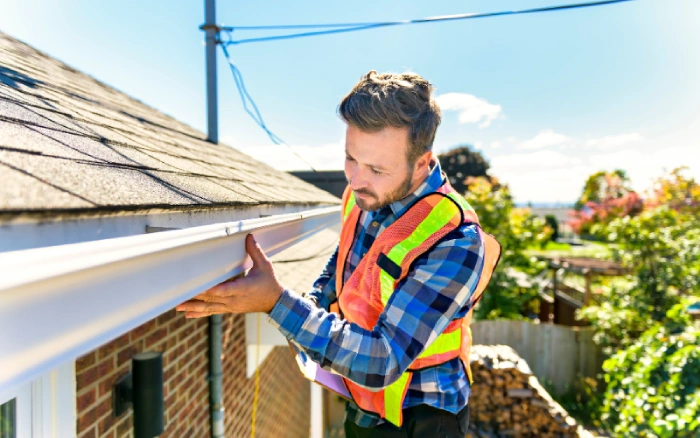
If you’re in Gulfport, MS or anywhere along the Mississippi Gulf Coast, and you’re unsure whether your roof edges are properly protected, a professional roof inspection can identify small details before they become expensive repairs.
At Integrity Roofing, inspections focus on the entire roofing system — not just shingles. That includes edge protection, flashing integrity, ventilation balance, and structural decking health. Whether you’re considering a roof replacement in Gulfport, MS, exploring Fortified Roofing Systems, or simply want peace of mind before storm season, our team is here to help.
Because when it comes to roofing on the Gulf Coast, the small details are often the ones that protect the home the most.
Contact Integrity Roofing today — your trusted roofing contractor on the MS Gulf Coast.
FAQ Section
1. What is drip edge made of on a roof?
Drip edge is typically made from corrosion-resistant metal such as aluminum, galvanized steel, or copper. These materials are designed to withstand constant exposure to rain, humidity, and coastal conditions. On homes along the Mississippi Gulf Coast, aluminum or galvanized steel drip edges are most commonly used because they resist rust and provide durable protection for roof edges.
2. Can a roof leak if it doesn’t have drip edge?
Yes, a roof without drip edge can be more vulnerable to leaks over time. Without this metal flashing, rainwater can curl back underneath shingles and reach the roof decking or fascia board. This can lead to wood rot, mold growth, and hidden structural damage along the roof edge, especially in areas like Gulfport where heavy rain and wind-driven storms are common.
3. Is drip edge required by building code?
In most areas, including many coastal regions, drip edge is required by modern residential building codes. The International Residential Code (IRC) recommends drip edge installation at both the eaves and rakes of a roof. Building codes require it because it helps protect roof decking and improves the overall water-shedding performance of the roofing system.
4. Can drip edge be installed on an existing roof?
Drip edge can sometimes be added to an existing roof, but it depends on the current roofing condition. In some cases, a roofing contractor can carefully lift the first row of shingles to slide the drip edge underneath. However, the best time to install drip edge is during a full roof replacement when the entire roofing system is being installed correctly from the start.
5. What happens if shingles hang too far past the drip edge?
If shingles extend too far past the drip edge, they can become vulnerable to wind damage and cracking. Long overhangs allow wind to lift the shingle edges more easily during storms. Proper installation typically requires shingles to overhang the drip edge about ¼ to ¾ inch so rainwater flows into the gutter while maintaining structural support.