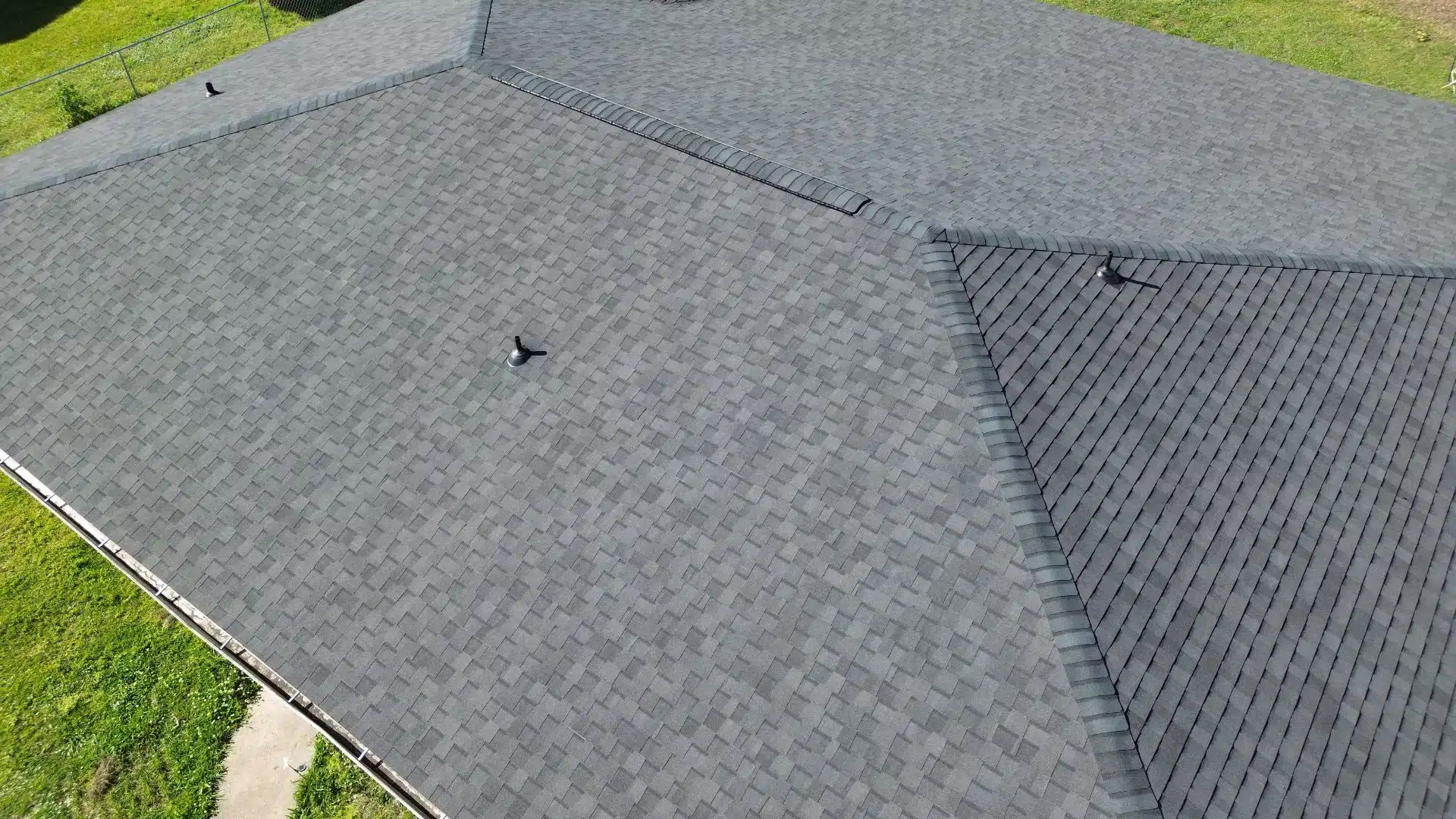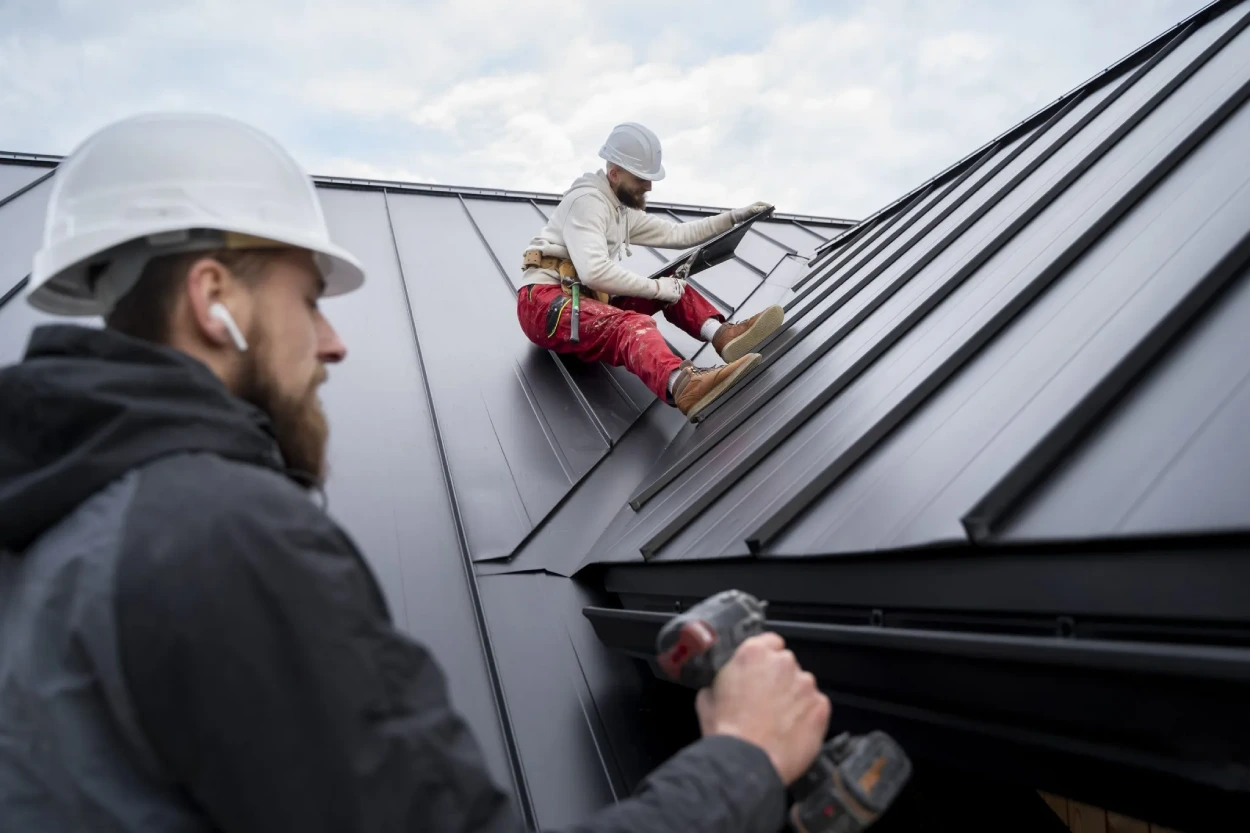
A roof problem rarely announces itself at a convenient time. It often starts with a faint water stain after a hard rain, a few shingles in the yard, or an attic that suddenly smells damp. Knowing the signs your roof needs attention gives you time to address a manageable repair before water reaches insulation, framing, ceilings, inventory, or electrical systems.
On the Mississippi Gulf Coast, heat, humidity, heavy rain, wind, and seasonal storms place steady pressure on every roofing system. A roof can look acceptable from the driveway while small weaknesses are developing beneath the surface. The goal is not to panic at every imperfection. It is to recognize when a professional inspection is the sensible next step.
1. Water Stains on Ceilings or Walls
Brown, yellow, or gray marks on a ceiling are among the clearest warning signs. Even if the stain feels dry and does not grow immediately, it deserves attention. Water can travel along decking, rafters, pipes, or framing before appearing inside, so the visible stain may not sit directly below the source of the leak.
Peeling paint, bubbling drywall, and soft spots are related concerns. For business owners, a stain above a drop ceiling or near equipment should be treated promptly. Waiting for the next storm can turn a contained repair into interior restoration work.
2. Missing, Cracked, or Curling Shingles
A few loose granules are normal as an asphalt roof ages, but shingles that are cracked, curled at the edges, torn, or missing altogether leave the roof more exposed to wind-driven rain. Lifted shingles are especially common after severe weather because wind can break the seal that holds them down, even when the shingle has not blown off.
Do not climb onto the roof to investigate. A ground-level look with binoculars may reveal obvious damage, but a roofing professional can assess the condition of shingles, flashing, vents, and roof edges without creating additional risk or damage.
3. Granules Collecting in Gutters or at Downspouts
Asphalt shingles are coated with protective granules that help block sunlight and weather exposure. When those granules shed heavily, you may notice material resembling coarse black sand in the gutters, at downspout exits, or on the ground near the home.
Some shedding is expected on a new roof and as shingles naturally age. The concern is a noticeable increase, bare-looking patches, or gutters filling with granules alongside other aging symptoms. An inspection can determine whether the roof needs a targeted repair, maintenance, or planning for replacement.
4. A Sagging Roofline or Soft Decking
Your roofline should appear straight and consistent. A dip, wave, or sag in the ridge or roof plane can point to damaged decking, moisture intrusion, or structural concerns. From inside the attic, soft or darkened wood, visible daylight, and areas that feel spongy underfoot are also serious warning signs.
This is not a wait-and-see issue. Structural deterioration can worsen quietly, particularly when moisture has been entering the roof system over time. A professional assessment helps identify whether the problem is isolated or affecting a larger section of the roof.
5. Daylight or Moisture in the Attic
The attic often provides the earliest clues about roof performance. On a dry day, look for pinpoints of daylight around penetrations, discolored insulation, damp rafters, or dark streaks on the underside of the roof deck. A musty smell can also indicate ongoing moisture, even if you cannot see standing water.
Not every attic moisture issue originates with the roof. Inadequate ventilation, condensation, and bathroom exhaust vents that terminate in the attic can contribute. That distinction matters because the right solution depends on the source. A thorough inspection should evaluate the roofing system and the conditions beneath it rather than simply covering the visible symptom.
6. Flashing Damage Around Vulnerable Areas
Flashing is the metal material installed where the roof meets walls, chimneys, valleys, skylights, and vents. These transitions are some of the most common leak locations because they direct water through complex areas of the roof.
Rust, gaps, bent metal, loose sealant, or cracked boots around plumbing vents can all allow water in. These components are often repairable when addressed early. If ignored, a small flashing failure can damage surrounding decking and interior finishes.
7. Rising Energy Bills or Uneven Indoor Temperatures
A sudden change in heating or cooling costs is not always a roofing issue, but it can be part of the picture. A failing roof, wet insulation, poor attic ventilation, or gaps around roof penetrations can make it harder to control indoor temperatures.
If rooms below the attic become unusually hot, or your HVAC system seems to run constantly, consider both your roof and ventilation. Gulf Coast heat makes these issues more noticeable. An honest assessment should explain whether roofing work is likely to help or whether another building system needs attention instead.
8. Leaks After Wind-Driven Rain
A roof may stay dry during a light, straight-down rain and leak only when wind pushes water under shingles or through a weak flashing detail. That pattern is common after storms and should not be dismissed because the leak disappears when the weather clears.
Take a photo of the affected interior area, note when it happened, and move valuables away from the leak. If water is near electrical fixtures, avoid the area and seek immediate help. Emergency roof service can limit further damage while a permanent repair plan is arranged.
9. Moss, Algae, or Persistent Debris
Dark streaks on shingles are often algae, while moss may appear as thicker green growth in damp or shaded areas. These conditions do not automatically mean the roof has failed, but they can hold moisture against the surface and make it harder to see shingle damage.
Branches, leaves, and pine straw that collect in valleys or behind roof features can have a similar effect by slowing drainage. Avoid pressure washing or using harsh methods that may remove protective granules. The safest approach depends on the roofing material, its age, and the extent of the growth.
10. The Roof Is Near the End of Its Expected Service Life
Age alone does not dictate replacement. Material quality, installation standards, ventilation, maintenance, weather exposure, and past repairs all affect how long a roof performs. Still, if your roof is approaching the expected lifespan for its material, a proactive inspection is wise, especially before storm season.
A reliable contractor should not recommend a full replacement simply because a roof has reached a certain age. Sometimes a repair can safely extend service life. Other times, repeated leaks, widespread wear, or storm damage make replacement the more cost-effective and dependable choice.
What to Do When You Notice Roof Warning Signs
Start by documenting what you can see from a safe location. Note the date of any leak, recent storm activity, and changes such as missing shingles or ceiling discoloration. Do not use a tarp, sealant, or temporary patch as a substitute for diagnosis unless it is needed to control an active emergency.
Then schedule a detailed inspection. A clear report should explain the condition found, identify the likely source of any damage, and distinguish urgent repairs from maintenance that can be planned. You deserve straightforward options, a transparent estimate, and no pressure to buy work your property does not need.
For homeowners and property managers across the Gulf Coast, timely attention protects more than the roof itself. It protects the people, belongings, operations, and long-term value beneath it. Integrity Roofing is not just a name. It is a promise to provide clear communication and dependable work when your property needs protection.
FAQ Section (for bottom of blog):
Q: What are the most common signs that my roof needs attention on the MS Gulf Coast?
A: The most common signs include water stains on ceilings or walls, missing or curling shingles, granules collecting in gutters, a sagging roofline, and moisture or daylight visible in the attic. On the MS Gulf Coast, heat, humidity, and seasonal storms accelerate these warning signs, making early detection critical. If you notice any of these issues, scheduling a professional roof inspection on the MS Gulf Coast is the smartest first step.
Q: How do I know if I need a roof repair or a full roof replacement?
A: Not every damaged roof requires a full roof replacement. Isolated issues like flashing damage, a few missing shingles, or minor leaks can often be repaired cost-effectively. However, if your roof is near the end of its service life, has widespread wear, repeated leaks, or significant storm damage, roof replacement is typically the more dependable long-term choice. A detailed roof inspection on the MS Gulf Coast will help determine which option is right for your property.
Q: Why does my roof only leak during wind-driven rain on the MS Gulf Coast?
A: A roof can remain dry during light, straight-down rain but leak when wind pushes water sideways under shingles or through weakened flashing. This is a common issue after MS Gulf Coast storms and should never be ignored just because the leak stops when the weather clears. Experienced roofers on the MS Gulf Coast can identify and repair the specific points of failure before the next storm causes further interior damage.
Q: How long does a roof installation last on the MS Gulf Coast?
A: The lifespan of a roof installation on the MS Gulf Coast depends on several factors including the roofing material used, installation quality, attic ventilation, and maintenance history. Gulf Coast heat, humidity, and storm exposure can shorten the expected service life compared to milder climates. A proactive roof inspection — especially before storm season — helps you understand your roof’s current condition and plan ahead rather than react to an emergency.
Q: How do I choose trustworthy roofers on the MS Gulf Coast?
A: When selecting roofers on the MS Gulf Coast, look for contractors who provide a clear written inspection report, offer transparent estimates with no high-pressure sales tactics, and have a verifiable local reputation. Trustworthy roofers will distinguish between urgent repairs and work that can be planned, and will never recommend a full roof replacement unless the condition of your roof genuinely warrants it. Always verify licensing, insurance, and local references before signing any contract.