

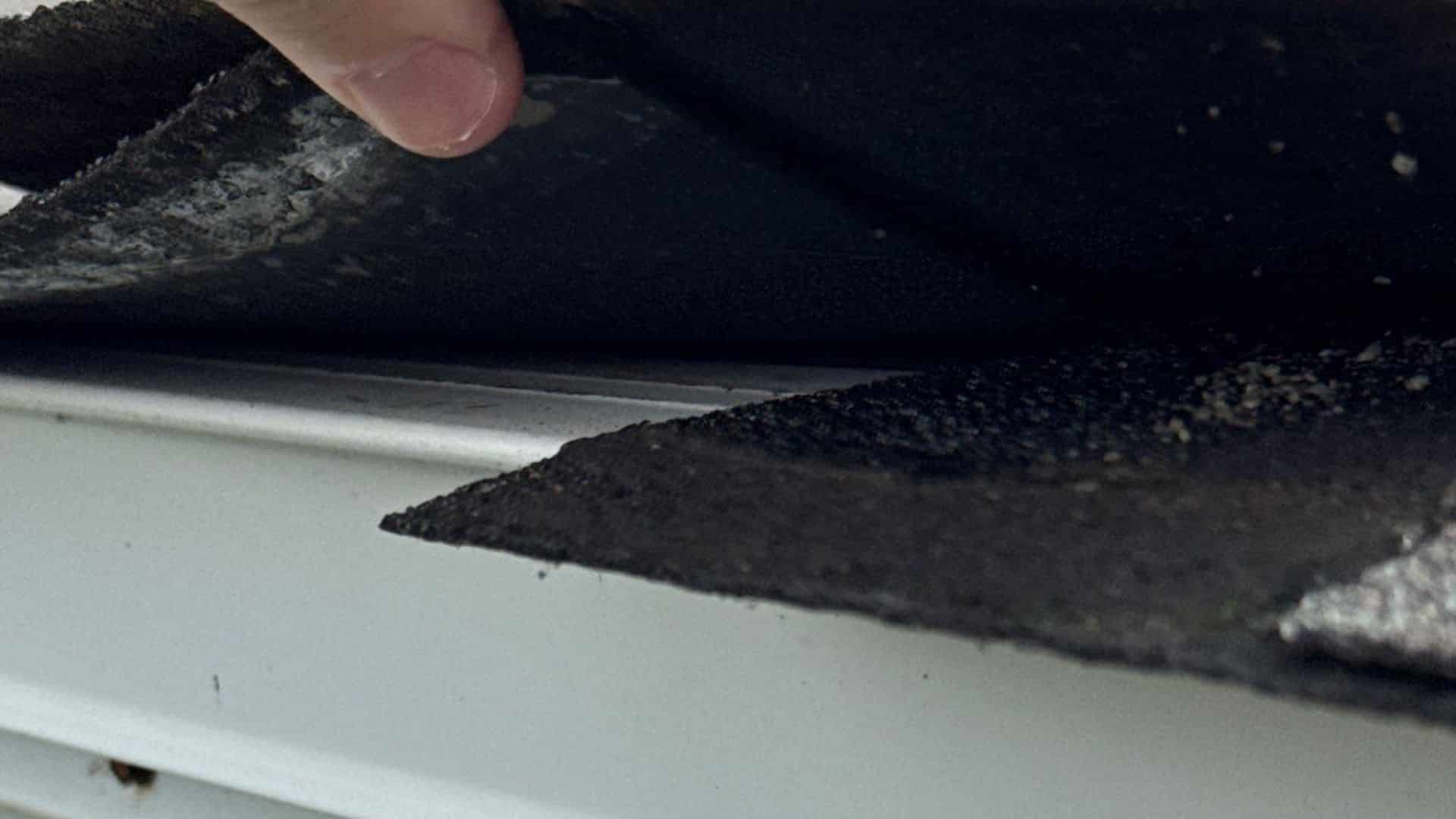
A roof does not have to lose shingles to be affected by high winds. Wind can work underneath the edges of roofing materials, loosen fasteners, lift flashing, and gradually weaken the system that protects your home or business. This wind uplift roofing guide explains what that pressure means, why it matters on the Mississippi Gulf Coast, and what property owners can do before the next severe storm tests their roof.
What Wind Uplift Does to a Roof
Wind uplift is the upward force created when moving air passes over and around a building. As wind speeds increase, pressure changes across the roof surface. The wind pushes against exterior walls, travels up the roof slope, and creates suction near roof edges, corners, ridges, and overhangs.
Those high-pressure areas are where roofing materials are most likely to begin lifting. A single loose shingle may not look urgent from the ground, but it can expose the materials beneath it to wind-driven rain. Once water reaches the underlayment, decking, or attic, a small wind-related issue can become a leak, rot problem, or interior repair.
For commercial properties with low-slope roofs, uplift can affect membrane seams, edge metal, drains, and rooftop penetrations. The damage may be subtle at first. A lifted seam or flashing detail can admit water long before a major leak becomes visible inside the building.
Why Gulf Coast Roofs Need Extra Attention
Along the Gulf Coast, roofs routinely face humid conditions, heavy rain, thunderstorms, tropical systems, and hurricane-force winds. These conditions do not always cause obvious damage in one event. Repeated gusts can weaken aging materials over time, especially if earlier repairs, installation details, or ventilation issues have left the roof vulnerable.
Wind is also rarely the only concern. Blown debris can crack shingles or puncture a roof surface. Wind-driven rain can force water into openings that would not leak during a normal shower. Salt air near the coast can accelerate corrosion on exposed metal components, including fasteners and flashing.
The right level of protection depends on the building, its height, roof shape, location, surrounding exposure, and roofing material. A home sheltered by mature trees does not experience wind the same way as a commercial building near open water or a house in a new subdivision with few windbreaks. That is why a professional inspection should look beyond the visible condition of the shingles.
The Parts of a Roof That Resist Uplift
A roof is a system, not just the outer covering. Its ability to resist wind uplift depends on how well each layer works with the next.
The roof deck provides the structural surface that supports the roofing system. If decking is damaged, deteriorated, or improperly secured, the roof covering above it cannot perform as intended. Deck attachment is especially important because strong wind can transfer force from the roof surface into the framing below.
Underlayment adds a critical secondary barrier beneath shingles or other roof coverings. It is not a substitute for missing roofing material, but properly installed underlayment can help limit water intrusion if wind damages the outer layer.
Roof covering attachment matters just as much. Shingles need the correct number and placement of nails, with fasteners driven properly into the deck. Nails placed too high, driven too deeply, or missed into a gap can reduce resistance when the wind begins pulling at shingle tabs.
Flashing, drip edge, ridge components, starter strips, and sealant details all help secure vulnerable transitions. These are not cosmetic extras. They are often the first line of defense at edges, valleys, chimneys, walls, vents, and other areas where wind and water concentrate.
Roof Shape and Edge Zones Matter
Wind pressure is not evenly distributed across a roof. Corners and perimeter edges typically receive greater uplift forces than the center field of the roof. Roofs with complex shapes, multiple elevations, wide overhangs, or large open sections may require more careful detailing.
This does not mean one roof shape is always better than another. It means the installation should account for the building’s specific exposure and the manufacturer’s requirements for that roofing system. A quality contractor does not take a one-size-fits-all approach to fastening and edge protection.
Warning Signs of Wind Uplift Damage
After a storm, walk around the property from the ground and look for changes. Do not climb onto the roof unless you have the training and equipment to do so safely. Damage can be harder to see than many property owners expect, but several warning signs deserve prompt attention.
Look for shingles that are lifted, creased, cracked, curled, or missing. Check for loose pieces of metal flashing, displaced ridge caps, exposed nail heads, and gutters pulling away from the roofline. Granules collecting in gutters or at downspouts may also signal that shingles have been stressed or are nearing the end of their service life.
Inside, watch for new ceiling stains, damp insulation, peeling paint near the ceiling, or a musty attic smell. Water can travel along framing before it appears indoors, so the location of a stain is not always directly below the opening.
For flat or low-slope commercial roofs, ponding water, bubbling surfaces, open seams, loose edge metal, and damaged penetrations should be evaluated quickly. Waiting for a visible interior leak can allow moisture to spread through insulation or decking.
How to Improve Wind Resistance Before Storm Season
The most reliable protection starts with a roof in good condition. Regular inspections identify aging materials, loose flashing, exposed fasteners, and minor repairs before high winds turn them into larger losses. For many properties, an inspection after a major weather event and before the most active storm period is a practical schedule.
When repairs are needed, address the cause rather than just the symptom. Replacing a few blown-off shingles without checking the surrounding attachment, underlayment, and flashing may leave the roof exposed to the next storm. A thorough assessment should determine whether the issue is isolated or part of a broader installation or aging concern.
During a full roof replacement, property owners have the best opportunity to strengthen the complete system. This can include upgraded underlayment, properly installed starter materials, improved edge details, and fastening methods that meet applicable code and manufacturer specifications. A FORTIFIED™ roof approach may also be worth discussing for Gulf Coast homeowners who want additional resilience-focused construction practices.
Keep gutters and roof drainage paths clear as well. Clogged gutters do not cause wind uplift, but backed-up water can worsen roof-edge damage and make it harder to identify where water is entering. Trim back branches that could scrape the roof or become windborne debris, while avoiding unnecessary cuts that could harm healthy trees.
Choosing a Contractor for Wind-Related Roofing Work
When a storm affects your property, fast help matters, but rushed decisions can create new problems. Ask a contractor to explain what was found, what repairs are recommended, and whether the roof needs a targeted repair or replacement. A clear written estimate should identify the work being performed, the materials involved, and any conditions that could affect the scope.
It is also reasonable to ask how the contractor will protect landscaping, manage debris, and communicate if hidden damage is discovered. Roofing work can be disruptive, but it should not leave you guessing about the condition of your property or the next step in the process.
For homeowners and businesses in Biloxi and nearby Gulf Coast communities, local experience matters because the roofing system must stand up to the weather patterns common here. Integrity Roofing approaches inspections and recommendations with the same standard that guides every project: honest answers, quality work, and no surprises.
If you notice a lifted shingle, loose flashing, or a new ceiling stain after windy weather, do not assume it will resolve on its own. A timely inspection can provide clarity, protect the building beneath the roof, and help you make a confident decision before the next storm arrives.
Frequently Asked Questions About Wind Uplift Roofing
1. What is wind uplift on a roof?
Wind uplift is the upward force created when wind moves over and around a building. Changes in air pressure can create suction along roof edges, corners, ridges, and overhangs, causing shingles, flashing, membranes, or other roofing materials to lift away from the roof deck.
2. Can high winds damage a roof without blowing shingles off?
Yes. High winds can loosen shingles, weaken fasteners, lift flashing, break adhesive seals, and damage underlayment without causing obvious missing shingles. This type of hidden wind damage can allow wind-driven rain to enter the roofing system and may eventually lead to leaks or damaged decking.
3. What are the signs of wind uplift damage on a roof?
Common signs include lifted or creased shingles, missing shingles, loose ridge caps, damaged flashing, exposed fasteners, displaced edge metal, and excessive granules near gutters or downspouts. Inside the property, ceiling stains, damp insulation, peeling paint, or musty attic odors can also indicate water intrusion after high winds.
4. How can Gulf Coast homeowners make their roofs more resistant to wind uplift?
Regular roof assessments, proper fastening, secure roof decking, quality underlayment, correctly installed starter strips, strong edge protection, and properly installed flashing can all improve wind resistance. During roof replacement, Mississippi Gulf Coast homeowners may also want to consider FORTIFIED™ roofing practices designed to improve resilience against severe wind and wind-driven rain.
5. Should I have my roof inspected after strong winds even if I do not see damage?
Yes. Wind-related roof damage is not always visible from the ground. After severe thunderstorms, tropical storms, hurricanes, or unusually strong winds, a professional roof assessment can identify lifted shingles, loosened flashing, compromised seals, and other problems before they develop into larger leaks or structural damage.