If you live in Bay St. Louis, you’ve probably seen it before: a roof that looked clean a few years ago now has dark, ugly streaks running down the shingles. Most homeowners assume it’s dirt, mold, or a sign the roof is failing. In reality, the cause is usually more specific—and more common on the Mississippi Gulf Coast than people realize. Before you start calling roofers Gulfport MS homeowners recommend or searching for a roofer Bay St. Louis locals trust, it helps to understand what you’re actually looking at.
The Real Reason Black Streaks Show Up on Roofs
Those black streaks on your roof are usually caused by a type of algae called Gloeocapsa magma. It spreads through airborne spores and tends to thrive in humid, warm climates like Bay St. Louis, where moisture hangs in the air, rainfall is frequent, and roofs stay damp longer than they should. The algae feeds on the limestone filler used in many asphalt shingles, which is why it often appears on shingle roofs first.
You’ll usually notice the streaking more on shaded sections of the roof or areas that don’t dry quickly after rain. While the streaks are mostly a cosmetic issue in the beginning, they can make your roof look older than it is and may contribute to heat retention by darkening the surface.
Over time, the conditions that allow algae growth can also overlap with other roof problems—like trapped moisture, poor ventilation, or debris buildup—so it’s worth taking seriously. Any experienced roofer Bay St. Louis homeowners have worked with will tell you the same thing: black streaks usually mean algae is growing on your asphalt shingles, and on the Gulf Coast, that’s one of the most common roofing issues around. Left unchecked, it can accelerate the timeline toward a roof replacement MS Gulf Coast homeowners would rather avoid.
What Is the Black Algae on My Shingles?
It’s not usually soot. It’s not typically roof tar bleeding through. And despite what many people assume, it’s not always mold.
The black discoloration seen on many roofs is most often algae growth. On asphalt shingles, this algae spreads slowly and creates those familiar dark streaks that seem to drip downward from the top of the roof. That pattern happens because moisture and runoff help carry the spores across the shingle surface.
In a place like Bay St. Louis, the environment makes this easier. Humidity stays high. Trees create shade. Morning dew lingers. Add Gulf Coast heat to the equation, and you have the perfect conditions for algae to settle in and spread. It’s one reason a roof inspection Gulfport MS professionals offer is so valuable—they know what coastal algae looks like versus actual structural damage.
For the analytical homeowner, the important distinction is this: black streaks are usually a surface symptom, not an automatic structural failure. But surface symptoms matter because they reveal a pattern. Roof systems age in layers. A streaked roof may still have years of life left, or it may also be showing early signs of broader maintenance issues. The only smart move is to separate appearance from actual condition—and that starts with a proper roof inspection Gulfport MS contractors can perform on-site.
Does Algae Damage Asphalt Shingles?
This is where homeowners need clarity.
Algae itself does not usually destroy asphalt shingles overnight. It is primarily a cosmetic and surface-level problem at first. That said, it should not be dismissed entirely.
Here’s why:
When algae covers portions of the roof, it darkens the surface and can cause the roof to absorb more heat. It also signals that moisture is lingering on the roof longer than ideal. While the algae may not be the direct cause of roof failure, the conditions surrounding it—shade, trapped moisture, poor airflow, debris, clogged valleys, or neglected maintenance—can contribute to premature wear. Trusted roofers Gulfport MS families rely on will often flag algae buildup as a warning sign during routine evaluations.
Think of black streaks like corrosion on a metal hinge. The discoloration itself may not be the full problem, but it tells you the environment is working against the material.
That matters on the Mississippi Gulf Coast, where roofs already deal with salt air, wind-driven rain, heavy sun exposure, and seasonal storm pressure. A roof here doesn’t need extra stress—and ignoring the signs can fast-track a roof replacement MS Gulf Coast property owners weren’t budgeting for. Read more on this topic: https://www.asphaltroofing.org/algae-moss-prevention-cleaning-asphalt-roofing-systems
Why Black Streaks Are So Common in Bay St. Louis
Bay St. Louis homes deal with a climate that is almost custom-built for algae growth.
Roofs near the coast are exposed to:
- High humidity
- Frequent rain
- Warm temperatures
- Shade from trees
- Moisture that dries slowly
- Organic debris like leaves and pine straw
If your roof has north-facing slopes or sections under tree cover, those areas often show streaking first. That doesn’t always mean the roof was installed wrong. It usually means the roof is interacting with its environment exactly the way Gulf Coast roofs tend to. A knowledgeable roofer Bay St. Louis residents can call on will recognize these patterns immediately.
This is why local context matters. Roofing advice that works in dry inland climates does not always apply the same way here. A homeowner in Bay St. Louis needs practical guidance based on coastal conditions—not generic national advice. That’s the difference between hiring just any contractor and choosing roofers Gulfport MS and Bay St. Louis homeowners actually trust with their biggest investment.
How to Prevent Black Streaks on a Roof
You may not be able to control the climate, but you can reduce the conditions that let algae spread.
1. Keep the roof clear of debris
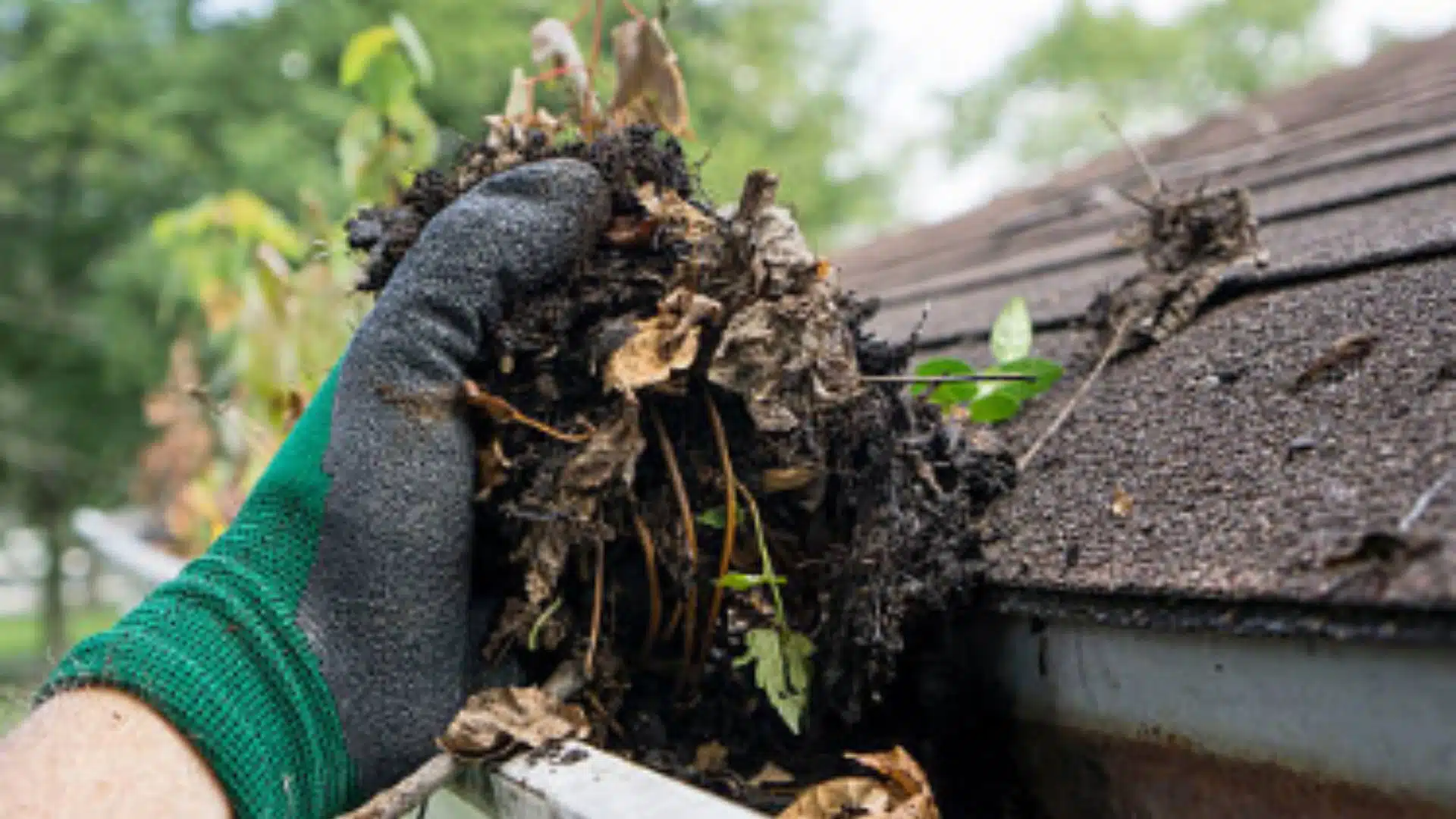
Leaves, branches, and organic buildup hold moisture against the shingles. That moisture gives algae a better environment to grow.
2. Trim back overhanging trees
Shade slows drying time. A roof that stays damp longer is more likely to develop black streaks.
3. Improve roof and attic ventilation
Proper ventilation helps regulate temperature and moisture levels. While it won’t eliminate algae on its own, it supports a healthier roofing system overall.
4. Use algae-resistant shingles when replacing the roof
Many modern asphalt shingles are made with algae-resistant technology, often including copper or similar protective elements to slow staining. If you’re already facing a roof replacement MS Gulf Coast conditions have made necessary, upgrading to algae-resistant materials is a smart long-term move.
5. Schedule a roof inspection before cleaning or replacing anything
Not every stained roof needs a new roof. Not every cleaning method is safe. A proper roof inspection Gulfport MS experts provide helps determine whether you’re dealing with a cosmetic issue, an aging roof, or a combination of both.
Should You Clean the Black Streaks Off?
Sometimes yes—but carefully.
Aggressive cleaning methods can do more harm than good. High-pressure washing can strip granules from asphalt shingles and shorten the life of the roof. That means the wrong solution can turn a cosmetic issue into a real one.
A better approach is to have the roof evaluated first. If the shingles are still in good condition, a safe soft-wash method may help. If the roof is already worn, brittle, or near the end of its service life, cleaning may not be the smartest investment. Experienced roofers Gulfport MS homeowners depend on will always recommend evaluation before action.
That’s why a roof inspection Gulfport MS professionals conduct should come first—not guesswork.
When Black Streaks Mean It’s Time to Look Closer
Black streaks alone do not automatically mean you need a roof replacement MS Gulf Coast weather has made common. But if they show up alongside other signs, it’s time for a closer look:
- Curling or lifting shingles
- Granule loss
- Soft decking
- Flashing issues
- Interior stains or attic moisture
- Roof age nearing replacement range
When multiple symptoms appear together, a roof replacement MS Gulf Coast homeowners can plan for proactively is far better than an emergency repair after the next storm. A roof should be evaluated as a system, not judged by one symptom in isolation. The right roofer Bay St. Louis families trust will walk you through every finding with transparency.
A Smarter Way to Look at It
The black streaks on your roof are usually algae. That’s the simple answer. But the better question is whether the roof is only stained—or whether the staining is appearing on a roofing system that is also aging, holding moisture, or beginning to weaken.
That distinction matters.
For homeowners in Bay St. Louis, the goal should not just be to make the roof look better. It should be to understand what the roof is telling you—before a cosmetic issue becomes an expensive roof replacement MS Gulf Coast homeowners dread. Working with a qualified roofer Bay St. Louis residents recommend means getting honest answers grounded in local experience, not a high-pressure sales pitch.
If you’ve noticed black streaks on your roof, Integrity Roofing can inspect it and show you what’s really going on. Whether you need a roof inspection Gulfport MS area families count on, or you’re exploring whether a roof replacement MS Gulf Coast conditions demand is the right next step, we’re here to help. We believe in Integrity Before Profit—which means clear answers, honest recommendations, and real photo documentation, without the pressure.
Among the roofers Gulfport MS and Bay St. Louis homeowners trust most, Integrity Roofing stands apart because we let the roof tell the story. [Schedule your free inspection today.]
FAQ Section
1. What causes black streaks on a roof?
Black streaks on a roof are usually caused by a type of airborne algae called Gloeocapsa magma. It commonly grows on asphalt shingles in warm, humid climates and creates dark stains that often look worse on shaded parts of the roof.
2. Do black streaks mean I need a new roof?
Not always. Black streaks are often a cosmetic issue at first, but they can also signal that the roof is holding moisture, collecting debris, or aging unevenly. A professional inspection helps determine whether the problem is just staining or part of a larger roofing issue.
3. Does algae damage asphalt shingles?
Algae staining is mainly cosmetic in the beginning, but it should not be ignored. It can make the roof look older and may appear alongside conditions that contribute to roof wear, such as excess moisture and poor drying conditions.
4. Can I pressure wash black streaks off my roof?
Pressure washing is not recommended for asphalt shingles because it can damage the shingle surface and remove protective granules. Low-pressure cleaning methods are the safer approach when roof cleaning is needed.
5. How can I prevent black streaks from coming back?
You can reduce the chance of black streaks by trimming back tree branches, removing roof debris, improving airflow, and using algae-resistant shingles when it is time for roof replacement. These steps help limit the damp, shaded conditions that allow algae to grow.