Most homeowners picture roof damage as something dramatic — a fallen tree, a hurricane, or a sudden leak pouring through the ceiling. In reality, the most destructive forces acting on Gulf Coast roofs are far quieter and far more persistent.
On the Mississippi Gulf Coast, roofs do not fail overnight. They weaken slowly under constant environmental pressure. By the time damage becomes visible from the ground, the underlying problem has usually been developing for years.
If you are the kind of homeowner who prefers to understand root causes instead of reacting to symptoms, the key question is not when roofs fail — but why they fail here in the first place. You nee a trusted roofer on the MS Gulf Coast.
Roofs in Gulfport and along the MS Gulf Coast are primarily damaged by five recurring forces: relentless UV exposure, salt-laden air, chronic humidity, wind-driven rain, and inadequate ventilation. Intense Gulf Coast sunlight accelerates shingle aging, drying out oils that keep roofing flexible and causing premature brittleness and cracking. At the same time, airborne salt particles corrode nails, flashing, and metal components — often long before homeowners notice any visual signs.
High humidity creates a second layer of stress. Moist air infiltrates attics, saturates decking, and weakens structural wood over time, especially when ventilation is poor. Wind-driven rain further compounds the problem by forcing water into small installation gaps around chimneys, vents, and valleys, gradually breaking down sealants.
Perhaps the most overlooked factor is ventilation. Without balanced airflow, heat and moisture build up in the attic, effectively cooking shingles from underneath while rotting decking from below. Together, these forces explain why Gulf Coast roofs frequently deteriorate faster than inland roofs — and why a documented roof inspection Gulfport MS is essential before assuming a roof is “fine.”
A Local Gulf Coast Reality Check
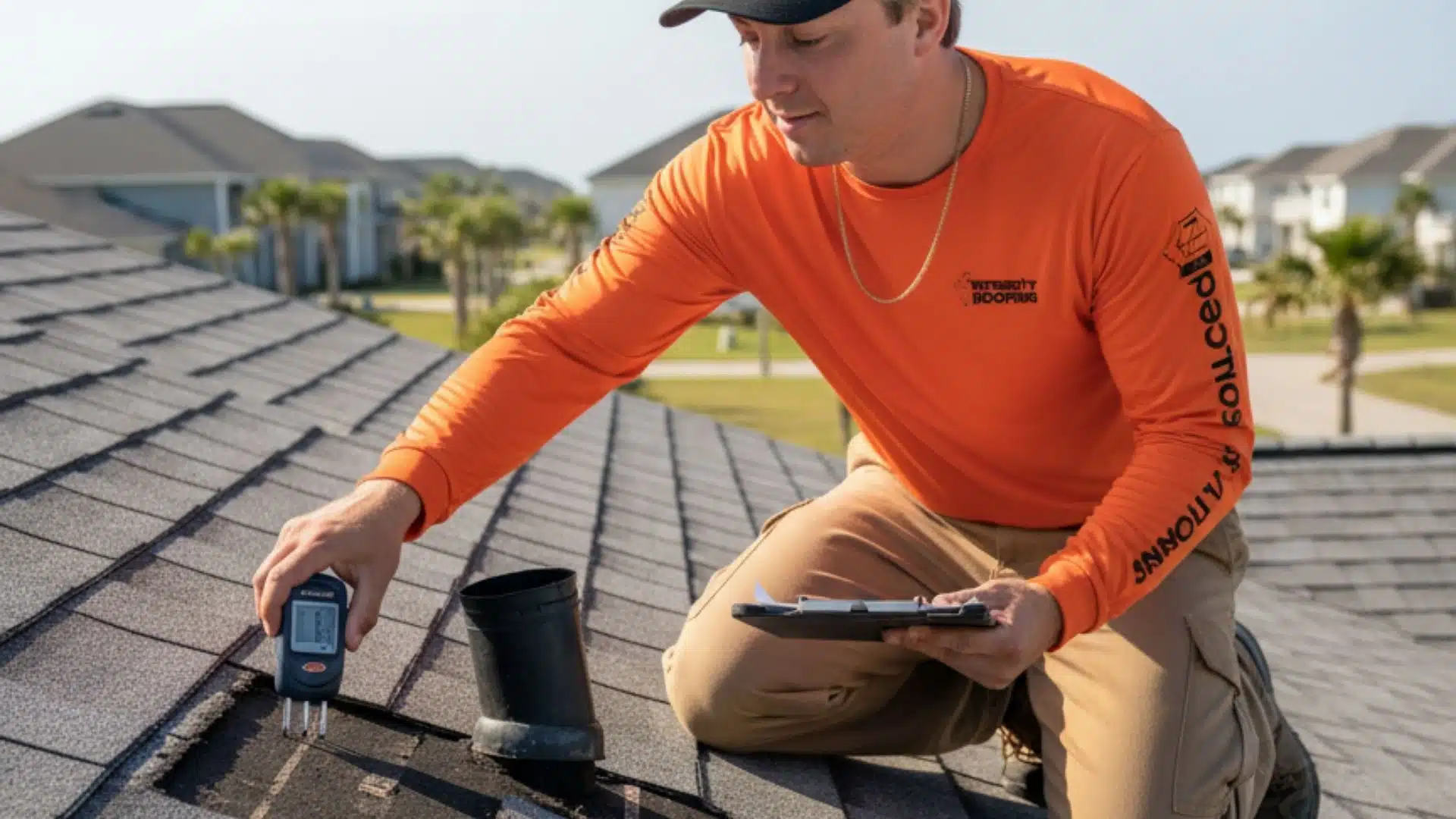
A homeowner in Ocean Springs once believed their roof was in “good shape” because they had never seen a leak. From the street, the shingles looked intact. During a routine assessment from a trusted roofer MS Gulf Coast, however, a different story emerged.
Inside the attic, trapped heat had warped decking and moisture had darkened plywood around several vents. Outside, salt corrosion had begun eating away at flashing — a problem invisible from the ground. The roof was not failing catastrophically; it was failing gradually.
The homeowner faced a familiar Gulf Coast dilemma: wait for visible damage and risk interior repairs, or address the underlying issues now. They chose the latter, upgrading ventilation and sealing weak points before major deterioration occurred.
That experience reflects a broader truth along the coast — roof damage is usually a process, not an event.
What Actually Damages Roofs on the MS Gulf Coast?
1) Relentless Sun and Heat
Gulf Coast sunlight is not just bright — it is punishing. UV radiation breaks down asphalt shingles, causing them to lose flexibility and granule protection faster than in cooler climates.
Common consequences:
- Curling edges
- Surface cracking
- Granule loss in gutters
- Shortened shingle lifespan
Lower-quality materials deteriorate even faster, which is why material selection matters when planning a roof replacement Gulfport MS and surrounding areas.
2) Salt in the Air
Living near the coast means microscopic salt particles are constantly settling on roofs. Over time, this leads to corrosion of:
- Nails
- Flashing
- Ridge caps
- Metal vents
- Drip edges
Even roofs that appear visually sound can have compromised metal components that quietly weaken weather protection.
3) Humidity and Trapped Moisture
Humidity is one of the most destructive — and most misunderstood — factors in Gulf Coast roof damage. Warm, moist air rises into attics where it can condense on cooler surfaces, saturating plywood and framing.
This often leads to:
- Soft or rotted decking
- Mold growth
- Structural weakening
- Reduced shingle performance
The damage rarely appears on the roof surface first; it begins from underneath.
4) Wind-Driven Rain
Unlike inland storms, Gulf Coast rain is often pushed sideways by high winds. This forces water into weak points around:
- Chimneys
- Skylights
- Plumbing vents
- Roof valleys
- Flashing seams
Over time, even minor installation gaps can become significant leak pathways.
5) Poor Attic Ventilation (The Silent Killer)
Many Gulf Coast homes were built without modern ventilation standards. When intake and exhaust airflow are unbalanced, heat and moisture build up, creating a hostile environment for both decking and shingles.
Symptoms include:
- Overheated attics
- Warped plywood
- Premature shingle aging
- Higher cooling bills
This is one of the most common hidden problems uncovered during a professional roof inspection Gulfport MS.
How Homeowners Can Reduce Roof Damage
Step 1 — Schedule a documented inspection
Request photos of decking, flashing, vents, and valleys — not just shingles.
Step 2 — Evaluate ventilation
Ensure proper balance between soffit intake and ridge exhaust.
Step 3 — Monitor flashing and metal components
Look for rust, cracking, or separation around roof penetrations.
Step 4 — Choose materials suited for the coast
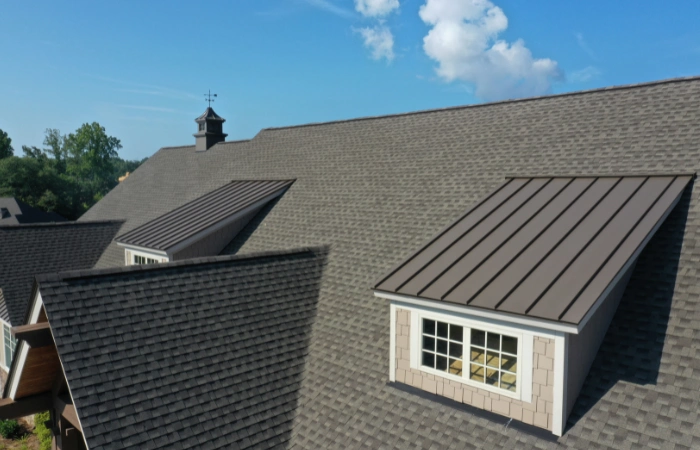
Higher-quality shingles or a FORTIFIED-style installation perform better long term.
Step 5 — Address small issues early
Minor repairs today often prevent major replacement costs later.
What This Means for Your Roof
If your home is anywhere from Gulfport to Ocean Springs, your roof is not just protecting against storms — it is constantly battling heat, salt, moisture, and wind. Damage rarely appears all at once; it accumulates slowly until a threshold is crossed.
That is why relying on “it looks fine from the ground” is risky. The real story of your roof is usually written in the attic and along its hidden edges.
If you are along the MS Gulf Coast and would like clarity about what your roof is actually facing, Integrity Roofing is happy to perform a careful, photo-documented assessment — no pressure, no obligation.
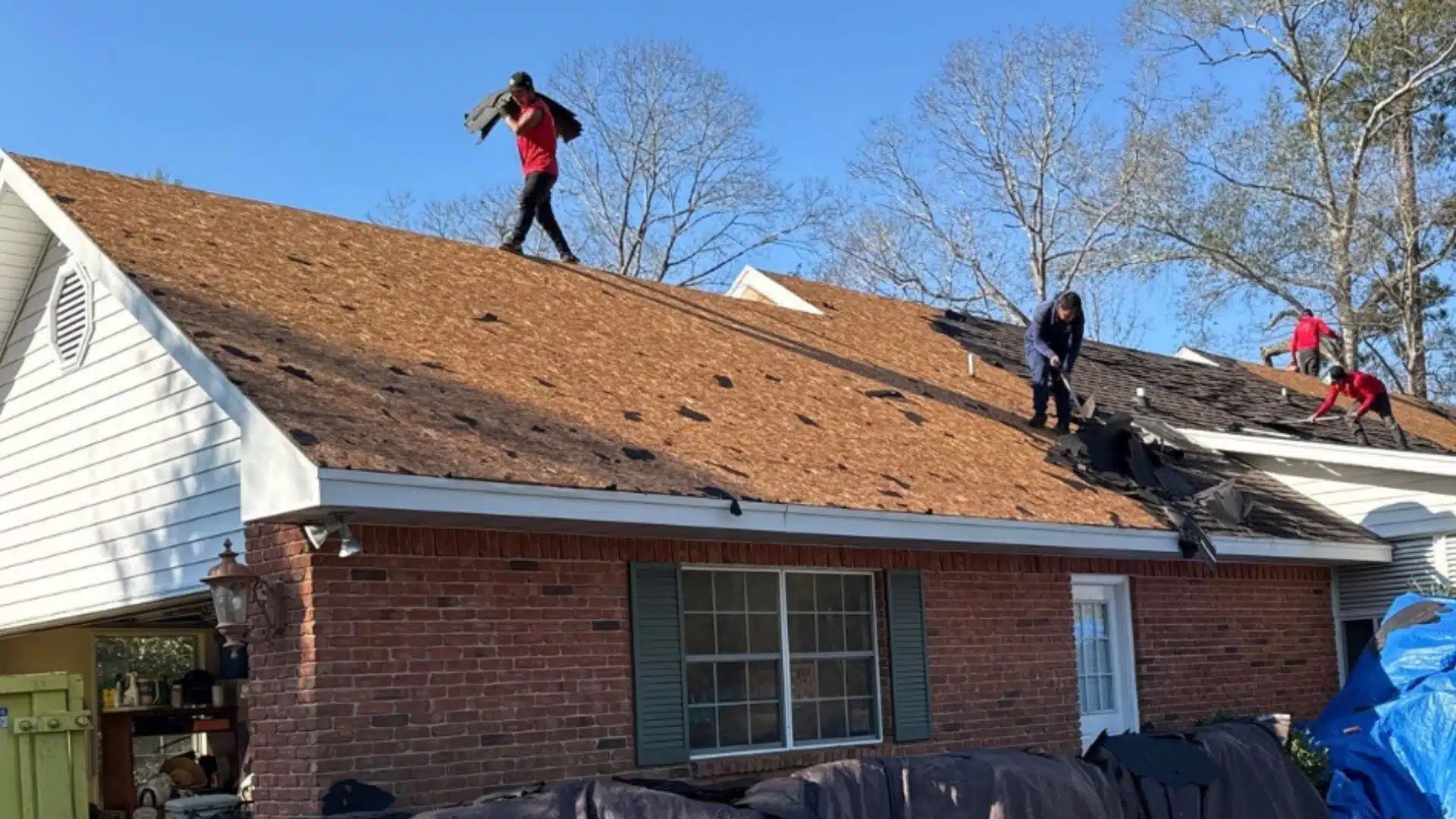
Sometimes the right move is a small repair. Sometimes it is improving ventilation. And sometimes it is planning a replacement that truly protects your home rather than reacting to a crisis.
If you would like an honest, transparent evaluation, you are welcome to reach out. The goal is simple: understanding first, decisions second.
Frequently Asked Questions
1. What is the biggest cause of roof damage on the MS Gulf Coast?
The combination of intense UV sun, salt air, and humidity is the primary driver of roof deterioration, slowly weakening shingles, metal flashing, and decking over time.
2. Can a roof look fine but still be damaged?
Yes. Many problems begin in the attic or around flashing and vents, which are invisible from the ground and only found during a professional inspection.
3. Does poor ventilation really damage a roof?
Absolutely. Trapped heat and moisture in the attic can warp decking, shorten shingle life, and create conditions that lead to premature failure.
4. How often should Gulf Coast homeowners have their roof inspected?
At least once every 12–18 months, and after major storms, to catch small issues before they become expensive problems.
5. What is the best way to protect a roof in Gulfport?
Proper ventilation, quality materials, strong installation practices, and regular documented inspections provide the greatest long-term protection.