
A roof can look acceptable from the street while the wood beneath its shingles is quietly weakening. On the Mississippi Gulf Coast, wind-driven rain, humid air, and storm exposure can allow moisture to reach the roof deck long before a stain appears on the ceiling. This roof decking repair guide explains what roof decking does, how damage is identified, and why a careful professional assessment protects the rest of your home.
What Roof Decking Does for Your Home
Roof decking, sometimes called sheathing, is the layer of plywood or oriented strand board attached to the roof framing. Shingles, underlayment, flashing, and other roofing materials sit on top of it. It creates a solid, flat base that helps the entire roof system perform as intended.
When decking is sound, it supports the roof covering and helps fasteners hold securely. When it has absorbed water, delaminated, warped, or deteriorated, the roofing materials above it cannot perform at their best. A new roof installed over compromised decking may look finished on day one but remain vulnerable to leaks, lifted shingles, and premature failure.
Decking trouble is not always widespread. One small area around a pipe boot, valley, chimney, or roof edge may be affected while most of the deck remains in good condition. That distinction matters because the right scope should be based on what is actually found, not guesswork.
Signs You May Need a Roof Decking Repair Guide
Most property owners cannot see roof decking from the ground. Still, a few warning signs deserve prompt attention. A sagging area of roof, a soft or spongy feel underfoot in an attic, visible stains on attic wood, or persistent musty odors can indicate a moisture problem.
Inside the home, watch for ceiling discoloration, peeling paint near exterior walls, damp insulation, or a leak that returns after heavy rain. On the roof itself, shingles that dip, buckle, or sit unevenly may point to a problem below the surface. These signs do not automatically mean the decking is failing, but they are good reasons to schedule a detailed inspection.
After a Gulf Coast storm, do not assume that the absence of an active drip means everything is dry. Wind can force rain beneath lifted shingles or through damaged flashing, where it may remain trapped in the roof assembly. A timely inspection can identify concerns before repeated wet-dry cycles cause more extensive deterioration.
Why Attic Checks Matter
Your attic often provides the clearest view of the underside of the roof deck. From a safe location, look for dark staining, swollen wood edges, visible daylight, rusted nail points, or insulation that appears damp or compressed. Never step on unsupported areas or attempt to walk across ceiling joists without proper footing.
Ventilation also deserves attention during this review. High heat and humidity in an under-ventilated attic can worsen moisture conditions and shorten the useful life of roofing materials. However, ventilation alone will not correct wood that has already lost structural integrity. The source of moisture must be identified and addressed as part of the overall roofing work.
How Professionals Evaluate Decking Damage
A dependable evaluation begins with the entire roof system, not just the visible symptom. A roofing professional checks the roof surface, flashings, penetrations, drainage paths, attic conditions, and accessible areas of the deck. The goal is to locate where water entered, determine how far it traveled, and separate cosmetic staining from wood that is no longer sound.
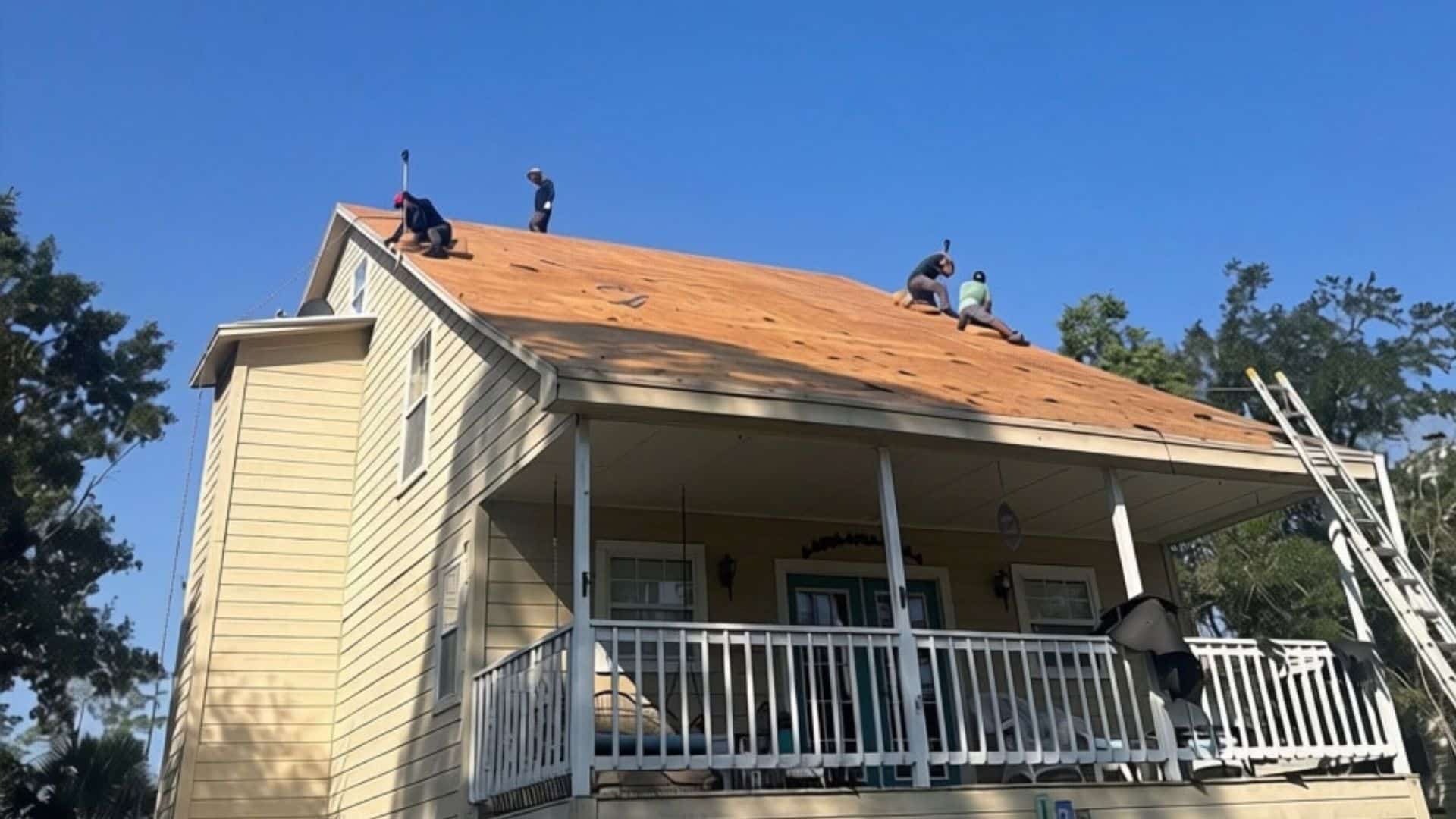
During a roof replacement or when roofing materials are removed in a targeted area, the deck can be inspected directly. This is the point when hidden soft spots, rot, or plywood separation may become clear. Responsible contractors communicate that possibility before work begins, explain what they find with photos when practical, and provide a straightforward price for any additional decking that needs replacement.
That approach prevents surprises. It also avoids the opposite problem: replacing more material than the roof requires. Integrity Roofing believes clear communication is part of doing the job right, especially when a homeowner is making decisions about a part of the roof they cannot normally see.
What Sound Decking Should Look Like
Sound decking is dry, firm, properly fastened, and capable of holding roofing nails. Minor surface discoloration may not always require replacement if the wood remains structurally solid and the moisture source has been corrected. By contrast, soft sections, visible decay, severe warping, broken panels, or layers that are separating need more than a surface-level solution.
The material used for replacement should match the roof design, local code requirements, and the thickness needed for proper support. Correct fastening, panel spacing, and edge support matter as much as the panel itself. These details help the new roofing system stay stable through heat, humidity, and severe weather.
Why Covering Damage Is a Costly Shortcut
It can be tempting to place new underlayment and shingles over an uneven or weakened deck to keep a project moving. That shortcut can create a clean appearance while leaving the central problem in place. Roof coverings depend on a stable base, and nails driven into deteriorated wood may not hold as intended.
Moisture trapped below new materials can continue to affect nearby wood and insulation. Uneven decking can also telegraph through shingles, reducing curb appeal and creating areas where water sheds poorly. If the deck is compromised near an edge or opening, high winds may place added stress on an already vulnerable part of the roof.
A proper solution may involve replacing only the affected sections, but it should never involve concealing damaged decking. Paying for a sound substrate is an investment in the performance and life of every layer above it.
Safe Steps for Property Owners
If you suspect decking damage, start by limiting interior exposure. Move valuables away from any active leak, place a container under drips if it is safe to do so, and avoid using electrical fixtures near wet ceilings or walls. If water is entering quickly or a storm has caused obvious roof damage, seek emergency help rather than climbing onto the roof.
Document visible interior stains and exterior concerns from the ground. Note when the issue appeared and whether it occurs only during wind-driven rain or after prolonged storms. These details can help a roofing professional trace the likely entry point.
Avoid patching soft areas from inside the attic, driving fasteners through the roof from below, or applying roof cement without a full assessment. Those efforts can create new pathways for water or make the original condition harder to evaluate. The safest next step is a professional inspection that explains the condition, recommended scope, materials, and cost before work moves forward.
Planning for Long-Term Roof Protection
Once damaged decking has been addressed, continued prevention comes down to maintenance and awareness. Keep gutters and roof drainage paths clear so water does not back up at the roof edge. Have flashings and roof penetrations checked periodically, especially after major weather events. Prompt attention to loose shingles, damaged sealant, or displaced flashing can keep a small opening from becoming a decking problem.
For commercial properties, regular roof inspections are especially useful because leaks can begin in areas that are not easily visible from inside the building. A documented maintenance plan helps owners budget for roofing needs, protect inventory and equipment, and reduce disruption to daily operations.
Your roof deck is out of sight, but it should never be out of mind. When something looks or feels wrong, a thorough assessment can provide the clarity needed to protect your property with confidence.
Frequently Asked Questions
How do I know if my roof decking is damaged?
Possible signs include a sagging roof area, uneven shingles, stains on the underside of the decking, damp insulation, or a recurring leak. A professional assessment can determine whether the wood is still sound.
Can damaged roof decking be found before a roof replacement?
Some damage is visible from the attic or suggested by conditions on the roof. Hidden soft spots and separation may only become clear after the old roofing materials are removed.
Does stained roof decking always need to be replaced?
No. Surface staining alone does not necessarily mean the wood has lost strength. The decking should be evaluated for softness, decay, warping, separation, and its ability to hold fasteners.
Can new shingles be installed over damaged decking?
Damaged decking should be addressed before new roofing materials are installed. A weakened deck may not hold roofing fasteners securely or provide a stable base for the new roof.
Will all the roof decking need replacement if one area is damaged?
Not necessarily. Damage may be limited to an area near a roof edge, valley, or penetration. The amount that needs replacement depends on what is found when the decking is inspected.