In many cases, yes — an existing roof can be converted into a cool roof, but the right method depends on the roof’s condition, slope, and material. On some homes, the conversion is as simple as applying a reflective roof coating over a compatible low-slope roofing system. On others — especially steep-slope residential roofs common across the MS Gulf Coast — the better route is a full roof replacement on the MS Gulf Coast using a more reflective product such as cool-rated metal roofing or specially manufactured reflective shingles.
What usually does not make sense is tearing off a roof that is still mechanically sound just to make it “cool.” The U.S. Department of Energy notes that cool roofing is most practical during a planned replacement, retrofit, or major roofing project — not as a reason to strip a healthy roof solely for reflectivity.
Cool roofs work by reflecting more sunlight and releasing more absorbed heat, which can lower roof surface temperatures and reduce heat gain into the home. That matters on the MS Gulf Coast, where sun, humidity, and long cooling seasons make attic heat a real comfort and energy issue — for residential and commercial roofing properties alike.
Why This Question Matters on the MS Gulf Coast
MS Gulf Coast homeowners do not deal with heat in theory. They deal with it in attic spaces that feel oven-hot by midafternoon, upstairs rooms that never cool evenly, and electric bills that climb the moment summer settles in. On the Mississippi Gulf Coast, the roofing conversation is never just about looks. It is about performance under UV exposure, humidity, salt air, and storm season — and experienced roofers in Gulfport, MS and across the Coast hear these concerns every week.
That is why the idea of a cool roof sounds appealing. It promises a more reflective surface, less heat absorption, and a smarter way to manage the sun beating down on your home for months at a time. But an INTJ-style question sits underneath that promise:
Can I improve the roof I already have, or do I need to start over?
That is the right question — because roofing decisions should be based on system logic, not marketing labels.
When an Existing Roof Can Be Converted
A roof can often be converted into a cool roof in one of three ways:
1. Apply a Reflective Coating
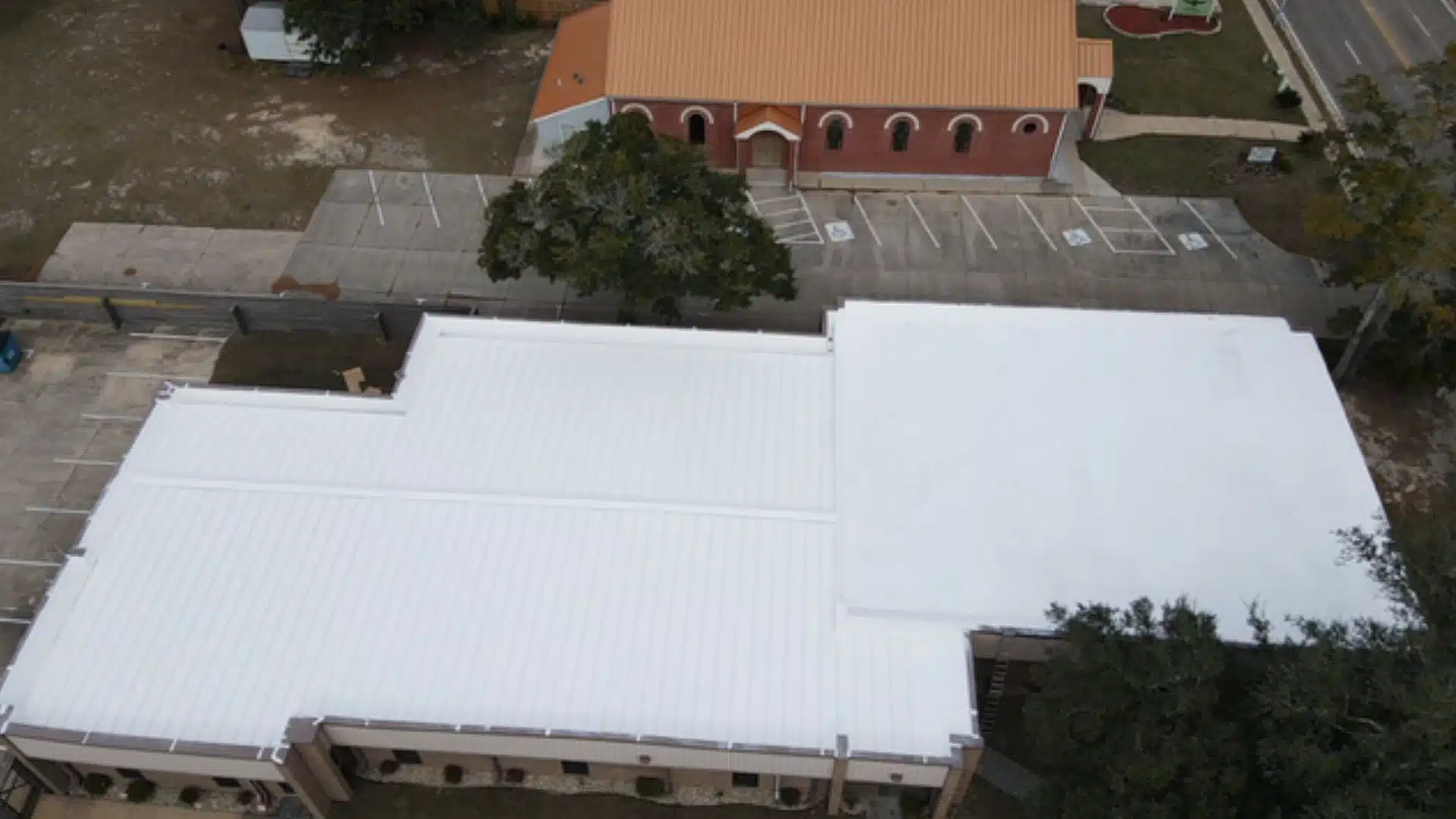
This is most common on low-slope or flat roofing systems, including many commercial roofing structures along the Coast. Certain roof coatings create a reflective surface that sends more solar radiation back into the atmosphere instead of absorbing it into the building. ENERGY STAR notes that some coatings and single-ply membranes qualify as cool-roof products, and the Department of Energy specifically identifies coatings as one path to a cool roof.
2. Replace the Roof Covering With Cool-Rated Materials
For many homes with steep-slope roofs — especially along the MS Gulf Coast — the practical conversion is not a coating. It is installing a new roofing material designed with higher solar reflectance, such as reflective metal panels or shingles manufactured with cooling granules. DOE guidance confirms cool options are available for most traditional roofing categories, including shingles, tiles, coatings, and metal products. Trusted roofers in Gulfport, MS can help you match the right product to your roof’s pitch and exposure.
3. Upgrade During a Broader Roof Replacement
This is often the smartest move. If the roof is already aging, leaking, poorly ventilated, or storm-worn, a cool-roof conversion is best treated as part of a full roof replacement on the MS Gulf Coast — not a cosmetic add-on. DOE consumer guidance says cool roofing should be considered when a replacement or energy retrofit is already planned, and it is “rarely economical” to replace a sound roof only to increase solar reflectance.
When It Does Not Make Sense
A cool roof is not automatically a good retrofit just because the climate is hot.
If the existing roof has hidden deck damage, failing flashing, moisture issues, trapped heat from poor ventilation, or shingles near the end of their service life, coating over the problem does not solve the problem. It just gives a failing system a brighter top layer.
That matters across the MS Gulf Coast. Coastal roofing failures are often layered — heat, wind exposure, salt moisture, seal deterioration, and ventilation imbalance working together over time. A cool surface can help with solar heat gain, but it does not replace proper attic ventilation, watertight flashing details, or storm-ready installation methods. Qualified roofers in Gulfport, MS and the surrounding Coast communities know how to identify these layered failures before recommending any upgrade.
In plain terms: a cool roof is a performance upgrade, not a shortcut.
What Are the Best Materials for an Energy-Efficient Cool Roof?
The best material depends on roof design.
- Low-slope and commercial roofing systems: Reflective membranes and roof coatings are often the strongest candidates because they are specifically engineered for that application.
- Steep-slope residential roofs: Reflective metal roofing is frequently one of the most effective cool-roof choices — metal systems can be manufactured with highly reflective finishes and tend to perform well in hot climates. Reflective shingles can also work, though performance varies by product and color.
ENERGY STAR explains that cool roofs are defined by both solar reflectance and thermal emittance — not just color alone — although lighter colors often perform best.
For MS Gulf Coast homeowners, the best answer usually balances four variables:
- Solar reflectivity
- Wind performance
- Moisture resistance
- Lifecycle cost
That is why the “best” cool roof is rarely chosen from a brochure alone. It should be matched to the actual roof structure and the Gulf Coast environment — something reputable roofers in Gulfport, MS evaluate on every project.
Is a Cool Roof Worth It in a Hot, Humid Climate Like Mississippi?
Usually, yes — with the right expectations.
DOE says cool roofs can lower roof temperature substantially compared with conventional roofs and reduce building cooling loads by reflecting more sunlight and absorbing less heat. On the MS Gulf Coast, that can translate into:
- Less attic heat buildup
- Improved indoor comfort
- Lower strain on the HVAC system
- Potential energy savings during long hot seasons
But the Mississippi Coast adds a layer of realism: humidity changes the comfort equation. If the home has poor insulation, weak ventilation, duct leakage, or older HVAC issues, a cool roof helps — but it may not deliver dramatic results by itself. The roof has to be evaluated as part of the whole building envelope. That is true whether you are planning a residential upgrade or a commercial roofing retrofit.
So yes, a cool roof can be worth it here. It is just worth the most when installed on a roof system that is already structurally sound and properly ventilated.
Are There Tax Credits or Rebates for Cool Roofing in 2026?
This is where many articles drift into outdated advice, so here is the current reality.
The IRS page for the Energy Efficient Home Improvement Credit says homeowners can claim that credit for qualifying improvements made through December 31, 2025. The IRS page does not show a 2026 extension for standard qualifying home improvements under that credit.
For Mississippi specifically, current publicly visible utility rebate pages from Mississippi Power and Entergy Mississippi show incentives for items like thermostats, HVAC equipment, and insulation — not a standing statewide cool-roof rebate for residential homeowners. Anyone considering cool roofing in Gulfport, MS or elsewhere on the Coast should verify current incentives before signing a contract.
Mississippi does have storm-mitigation-style roofing support in related programs, but one of the state’s major strengthening grant pathways has been listed as paused, while the FORTIFIED Fund is a separate opportunity with its own eligibility rules.
The practical 2026 answer:
- Do not assume a federal tax credit applies to a standard cool-roof retrofit in 2026.
- Check local utility programs and the ENERGY STAR Rebate Finder before committing.
- Ask whether your project intersects with resilience-based programs rather than pure energy rebates.
The MS Gulf Coast Bottom Line
An existing roof can often be converted into a cool roof — but the correct path depends on whether the roof is a good candidate for coating, a better candidate for roof replacement on the MS Gulf Coast with reflective materials, or not a candidate at all until underlying issues are fixed.
For MS Gulf Coast homeowners, the smartest move is not chasing a trend. It is getting a roof assessment that answers three questions in order:
- Is the current roof still structurally sound?
- Which cool-roof options are actually compatible with this roof type?
- Will the upgrade improve real-world performance in our coastal climate?
That is how you make a roofing decision that is efficient, durable, and financially rational — whether you are weighing cool roofing in Gulfport, MS, evaluating a full roof replacement on the MS Gulf Coast, or exploring options for a commercial roofing property.
If you are on the MS Gulf Coast and want to know whether your existing roof can realistically be converted into a cool roof, Integrity Roofing can inspect the system, document what is happening, and walk you through the options in plain language — so you can make the right call without pressure.
5 FAQ Questions + Answers
1. Can any existing roof be turned into a cool roof?
Not every roof can be converted the same way. Some low-slope roofs can be upgraded with a reflective coating, while many steep-slope residential roofs need cool-rated shingles or metal roofing during replacement. The right option depends on the roof’s age, condition, slope, and material.
2. What is the best cool-roof option for homes on the Mississippi Gulf Coast?
For many Gulf Coast homes, reflective metal roofing or cool-rated shingles are strong options because they can help reduce heat absorption while also standing up to coastal sun, humidity, and storms. The best choice depends on the home’s structure, ventilation, and long-term budget.
3. Will a cool roof really lower energy costs in Bay St. Louis?
A cool roof can help reduce attic heat buildup and lower the cooling load on the home, especially during long, hot Mississippi summers. Savings vary, but the benefit is usually strongest when the roof system is paired with proper insulation and ventilation.
4. Is a cool roof still worth it in a humid climate like Mississippi?
Yes, in many cases it is. A cool roof can still reduce roof surface temperature and help with indoor comfort, but it works best as part of a complete roofing system. Humidity, insulation, airflow, and HVAC efficiency all affect the final result.
5. Should I convert my current roof or wait until replacement time?
If the current roof is still in good condition, it may be better to wait until a planned replacement unless the roof type is compatible with a reflective coating. If the roof is aging, leaking, or already due for major work, upgrading to a cool-roof system during replacement usually makes more financial and practical sense.