
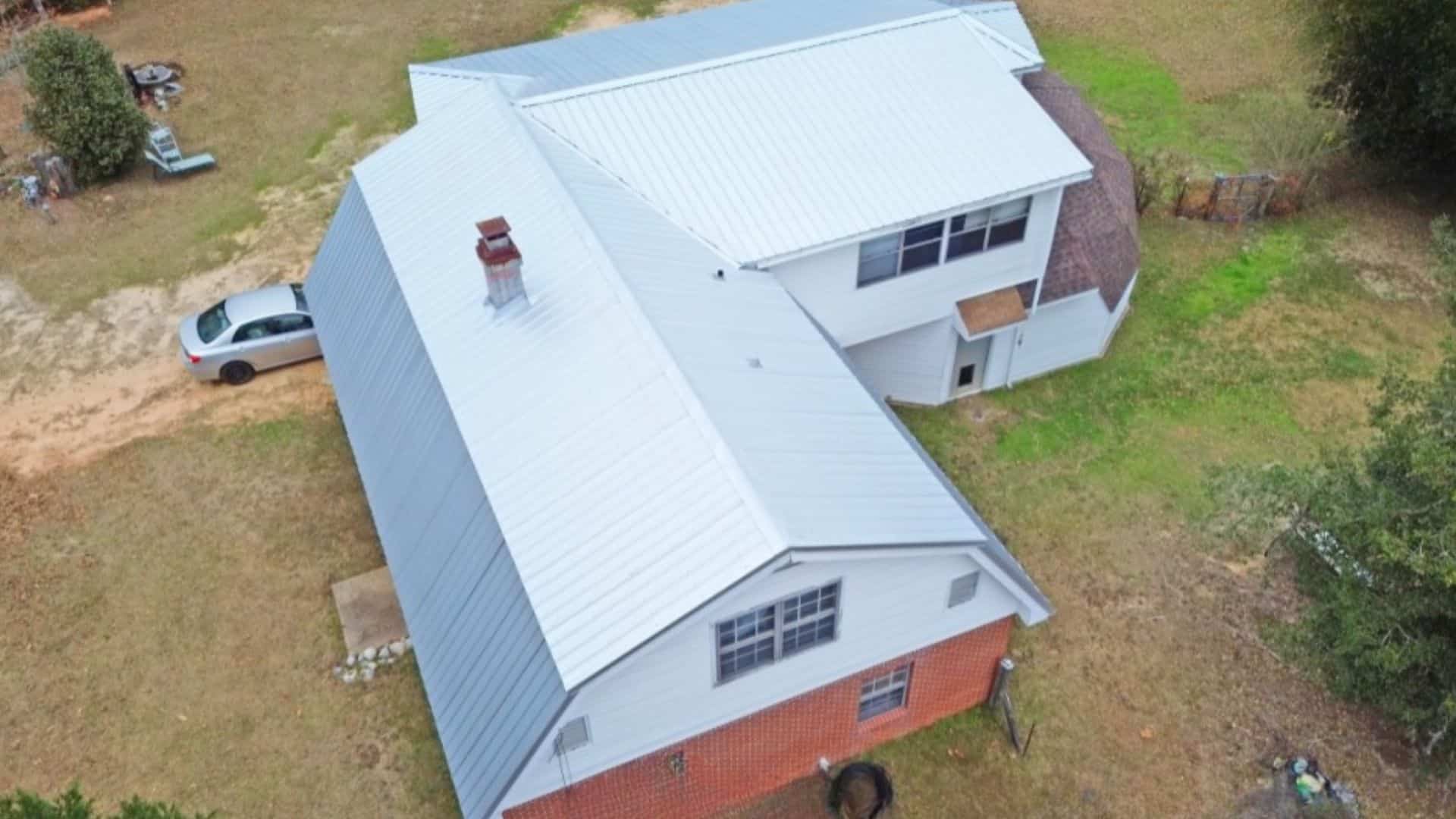
Along the Mississippi Gulf Coast, roofing decisions are rarely just about aesthetics. They’re about storm resistance, longevity, and financial logic. Between hurricane-force winds, salt-heavy air, intense UV exposure, and heavy rainfall, the roof above your home takes constant punishment.
This is why more homeowners are turning to experienced roofers on the MS Gulf Coast with one strategic question:
Is a metal roof on the MS Gulf Coast actually the better choice for this environment?
From a structural and long-term performance standpoint, metal roofing offers several advantages that traditional materials simply struggle to match in coastal climates. But like any major building decision, the real answer requires understanding both the strengths and the trade-offs before committing.
Let’s approach it logically.
The Short Answer: Why a Metal Roof on the MS Gulf Coast Makes Sense
A metal roofing system offers significant advantages for homes along the MS Gulf Coast — exceptional wind resistance, a longer lifespan, superior durability against salt air and moisture, and improved energy efficiency compared to traditional asphalt shingles.
Most properly installed metal roofs can withstand wind speeds between 140–180 MPH, making them particularly valuable in hurricane-prone regions. Metal panels also shed water quickly, reducing the risk of leaks during heavy rain events — a critical factor for any homeowner weighing a roof replacement in Gulfport, MS.
Another major advantage is longevity. While standard asphalt shingles typically last 15–25 years in coastal environments, metal roofs often last 40–70 years depending on panel type and coating system.
Reflective metal surfaces also help reduce heat absorption, lowering attic temperatures and improving overall energy efficiency in the hot Gulf Coast climate.
For homeowners who prioritize long-term durability, storm resilience, and lower lifetime replacement costs, a metal roof on the MS Gulf Coast can be one of the most structurally sound investments available.
Local Reality: Why Gulf Coast Roofs Age Faster
Roofing systems along the MS Gulf Coast operate in a uniquely aggressive environment. Three major factors accelerate roof wear here:
Salt Air Corrosion
Salt particles carried inland from the Gulf attach to roofing materials and accelerate deterioration — a challenge that any qualified roofer on the MS Gulf Coast will flag immediately during an inspection.
Extreme UV Exposure
The intense southern sun breaks down asphalt oils and shingle granules faster than in cooler regions, shortening the effective lifespan of standard materials.
Storm Stress Cycles
High winds, driving rain, and rapid pressure changes during storms constantly test roofing fasteners and seams — often revealing weaknesses that weren’t visible before.
Because of these conditions, a roofing system that may last 25–30 years inland often lasts significantly less along the coast. This is precisely why roof replacement in Gulfport, MS is a more frequent conversation than in other parts of the state.
Metal roofing systems handle these stressors differently. Their continuous panels, interlocking seams, and corrosion-resistant coatings create a more durable barrier against the elements.
That said, they’re not automatically the right solution for every homeowner.
Pros and Cons of Metal Roofing on the Gulf Coast
✅ Advantages
1. Exceptional Wind Resistance
Standing seam and properly installed screw-down metal roofs can withstand winds well above 130 MPH — critical during hurricane season on the MS Gulf Coast.
2. Long Lifespan
Most metal roofing systems last 40–70 years, significantly outlasting standard asphalt shingles and reducing the frequency of roof replacement in Gulfport, MS and surrounding areas.
3. Reduced Maintenance
Metal panels resist cracking, curling, and granule loss — the most common problems with aging shingles in coastal climates.
4. Energy Efficiency
Reflective coatings reduce solar heat absorption, helping keep attic spaces cooler and lowering monthly energy costs.
5. Fire Resistance
Metal roofs are typically Class A fire-rated, providing an additional layer of protection for your home.
⚠️ Potential Trade-Offs
Higher Upfront Investment
Metal roofing typically costs 2–3 times more than asphalt shingles initially. However, when spread across a 40–70 year lifespan, the cost-per-year often favors metal.
Noise Considerations
Without proper underlayment and insulation, rain noise can be more noticeable. Modern installations by skilled roofers in Gulfport, MS mitigate this significantly with the right underlayment systems.
Installation Precision Is Non-Negotiable
Metal roofs require specialized experience. Improper fastening or panel misalignment can cause expansion issues or leaks. This is why choosing a qualified roofer on the MS Gulf Coast — not just the lowest bidder — matters enormously.
What Gauge Metal Should Be Used on a Coastal Roof?
Metal roofing panels are measured in gauge thickness, and this specification directly impacts durability — especially in coastal environments.
| Gauge | Description | Best For |
|---|---|---|
| 29 Gauge | Entry-level thickness | Budget installs, low-wind zones |
| 26 Gauge | Stronger residential option | Coastal climates, most Gulf Coast homes |
| 24 Gauge | Premium standing seam thickness | High-end installs, maximum wind exposure |
For a metal roof on the MS Gulf Coast, most experienced roofers in Gulfport, MS recommend 26 gauge or thicker panels. The right gauge depends on roof pitch, panel style, wind exposure, and structural design — all factors a qualified roofer on the MS Gulf Coast should assess before recommending a system.
Does a Metal Roof Lower Your Insurance Premium?
In many cases, yes — but it depends on the system and how it’s certified.
Research from the Insurance Institute for Business & Home Safety shows that stronger roofing systems and installation standards significantly improve a home’s resistance to hurricane-force winds and severe weather.
Insurance providers sometimes offer discounts for roofing systems that demonstrate higher resistance to wind and impact. A metal roof on the MS Gulf Coast may qualify for:
- Wind mitigation credits
- Impact-resistant material discounts
- FORTIFIED-style structural upgrade incentives
However, the actual discount varies based on roofing system classification, installation method, and your specific insurance provider’s guidelines. Some homeowners combine metal roofing with additional structural upgrades to maximize insurance benefits — a strategy worth discussing with both your roofer on the MS Gulf Coast and your insurance agent before committing to a roof replacement in Gulfport, MS.
What’s the Typical Lifespan of a Metal Roof?
A properly installed metal roof can last 40 to 70 years, depending on several factors:
- Panel Material — Steel, aluminum, and copper all have different longevity profiles
- Protective Coatings — Galvalume and PVDF coatings protect metal surfaces from corrosion, especially important near the Gulf
- Installation Quality — Incorrect fastening or poor seam work can shorten lifespan dramatically
- Environmental Exposure — Homes closer to the water experience higher salt exposure and may require specialized coatings
Compared to asphalt shingles that may need roof replacement in Gulfport, MS every 15–25 years, metal roofing can significantly reduce lifetime replacement cycles — and the disruption that comes with them.
Is a Metal Roof the Right Choice for Your Gulf Coast Home?
Metal roofing systems provide exceptional durability, long lifespan, and strong storm resistance — making them well suited for homes along the MS Gulf Coast. But the best roofing decision isn’t just about materials.
It’s about understanding:
- Your home’s structural condition
- Wind and salt exposure levels at your specific location
- Long-term financial goals and insurance considerations
- Whether a full roof replacement in Gulfport, MS is needed now or can be planned strategically
Some homeowners benefit most from a metal roof on the MS Gulf Coast, while others may find that a FORTIFIED-rated asphalt system better fits their budget and timeline. The key is making a fully informed decision — before installation begins.
Your Practical Next Step
If you’re weighing whether a metal roof makes sense for your home, the first step is understanding how your current roofing system is actually performing.
A professional assessment from trusted roofers in Gulfport, MS can help identify:
- Structural vulnerabilities before the next storm season
- Wind resistance improvements available for your roof type
- Material upgrade opportunities that align with your budget
- Realistic lifespan expectations for your current system
For homeowners across the MS Gulf Coast, a detailed inspection provides clarity before making a major investment. Whether you’re planning a roof replacement in Gulfport, MS now or simply want to know where you stand, the smartest roofing decisions always begin with understanding the system already protecting your home.
FAQ Section
Frequently Asked Questions About Metal Roofs on the MS Gulf Coast
1. Is a metal roof better for hurricane-prone areas like the MS Gulf Coast?
Yes. Metal roofs are designed to withstand wind speeds between 140–180 MPH, depending on the system. Their interlocking panels help prevent wind uplift, making them a strong option for coastal areas that experience hurricanes and tropical storms.
2. How long does a metal roof last on the MS Gulf Coast?
A properly installed metal roof can last 40–70 years, even in coastal environments. Protective coatings such as Galvalume help resist corrosion caused by salt air and humidity.
3. Do metal roofs rust near the ocean?
Modern metal roofing systems are designed with corrosion-resistant coatings that protect the panels from rust. Aluminum and Galvalume steel systems perform especially well in coastal environments like the Mississippi Gulf Coast.
4. Is a metal roof more expensive than asphalt shingles?
Yes, the upfront cost of a metal roof is typically 2–3 times higher than asphalt shingles. However, because metal roofs last much longer, the lifetime cost per year is often lower.
5. Will a metal roof reduce homeowners insurance premiums?
In some cases, yes. Insurance companies may offer discounts for roofing systems that provide higher wind resistance or impact protection, especially when installed with certified structural upgrades.
{ “@context”: “https://schema.org”, “@type”: “FAQPage”, “mainEntity”: [ { “@type”: “Question”, “name”: “Is a metal roof better for hurricane-prone areas like the MS Gulf Coast?”, “acceptedAnswer”: { “@type”: “Answer”, “text”: “Yes. Metal roofs can withstand wind speeds between 140 and 180 MPH depending on the system. Their interlocking panels help resist wind uplift, making them a durable roofing option for hurricane-prone regions like the Mississippi Gulf Coast.” } }, { “@type”: “Question”, “name”: “How long does a metal roof last on the MS Gulf Coast?”, “acceptedAnswer”: { “@type”: “Answer”, “text”: “A properly installed metal roof typically lasts 40 to 70 years. Protective coatings such as Galvalume help prevent corrosion from salt air and moisture common along the Gulf Coast.” } }, { “@type”: “Question”, “name”: “Do metal roofs rust near the ocean?”, “acceptedAnswer”: { “@type”: “Answer”, “text”: “Modern metal roofing systems include corrosion-resistant coatings that protect panels from rust. Aluminum and Galvalume steel roofing systems are commonly used in coastal environments because they perform well in salt-air conditions.” } }, { “@type”: “Question”, “name”: “Is a metal roof more expensive than asphalt shingles?”, “acceptedAnswer”: { “@type”: “Answer”, “text”: “Yes. Metal roofs typically cost two to three times more upfront than asphalt shingles, but they last significantly longer, which can reduce lifetime replacement costs.” } }, { “@type”: “Question”, “name”: “Will a metal roof reduce homeowners insurance premiums?”, “acceptedAnswer”: { “@type”: “Answer”, “text”: “Some insurance companies offer discounts for roofing systems that provide higher wind resistance or impact protection. Eligibility depends on the roofing system classification and the insurance provider.” } } ] }